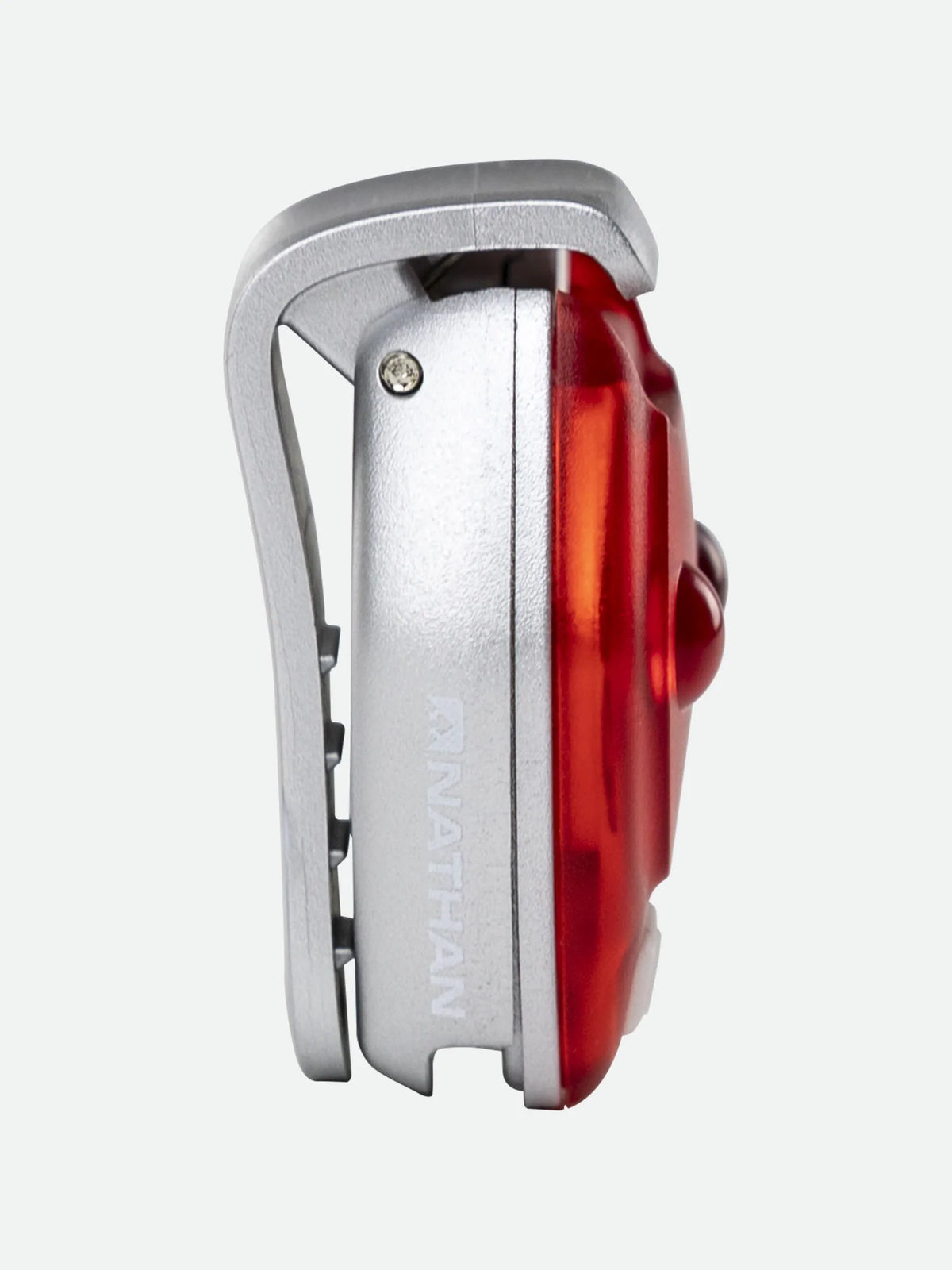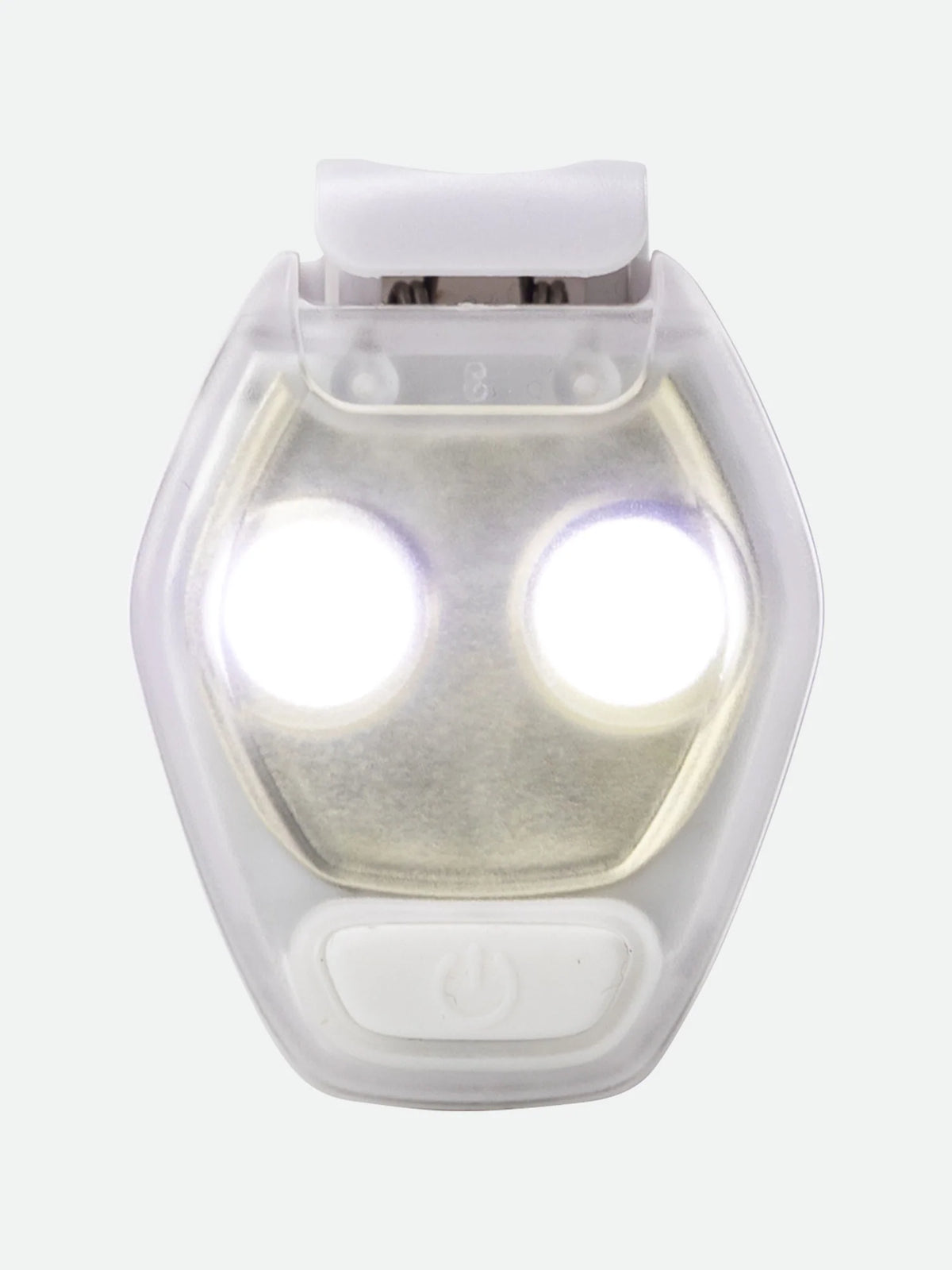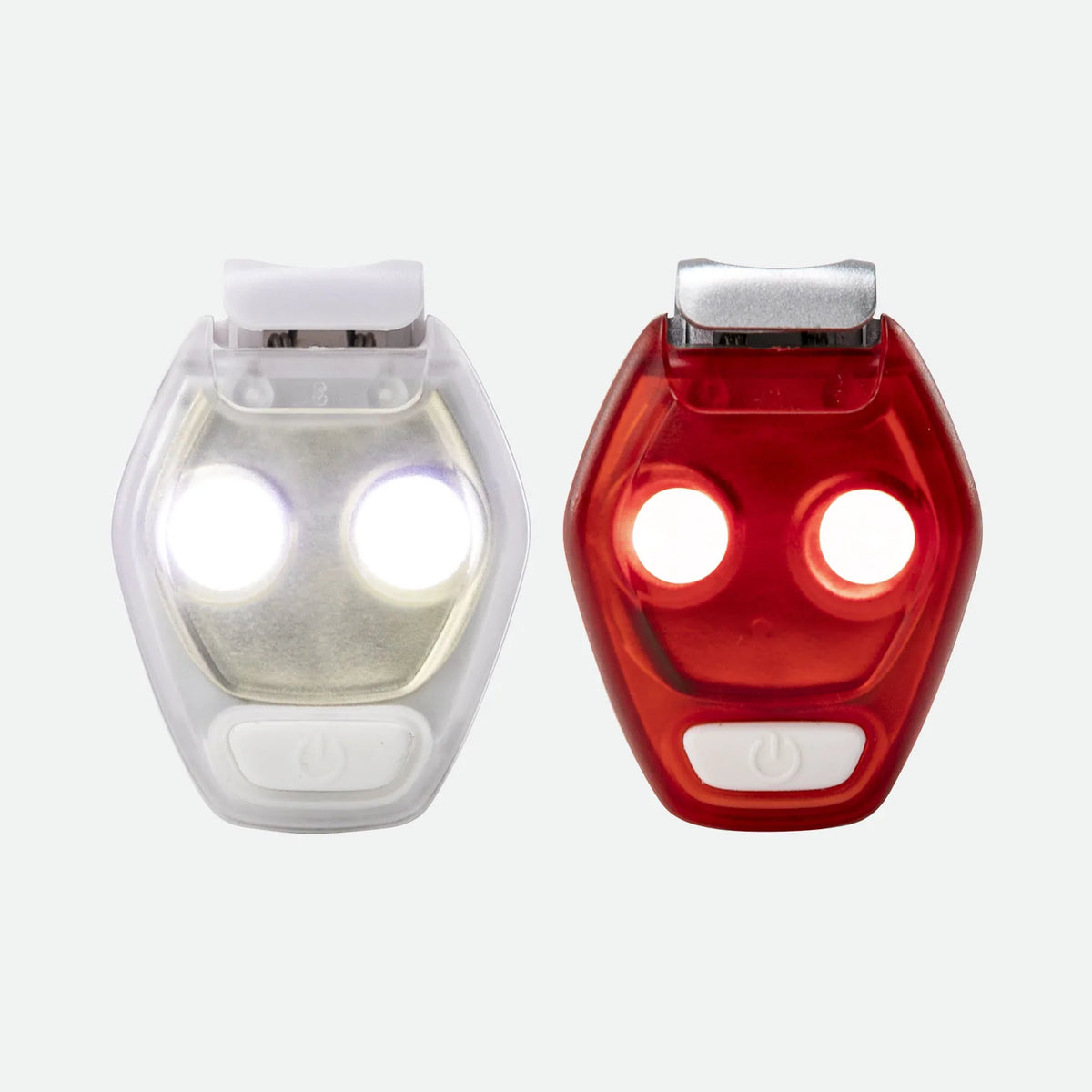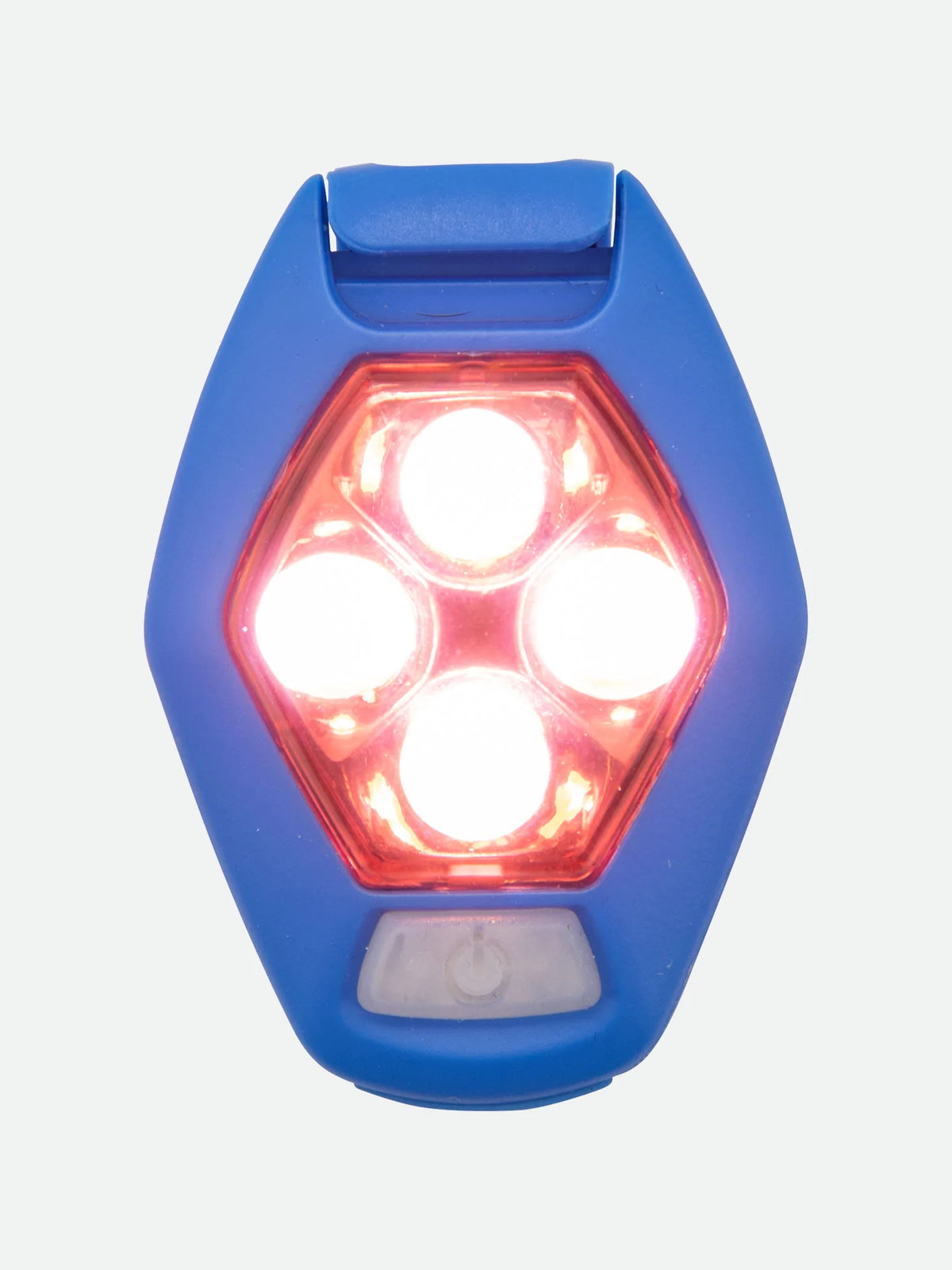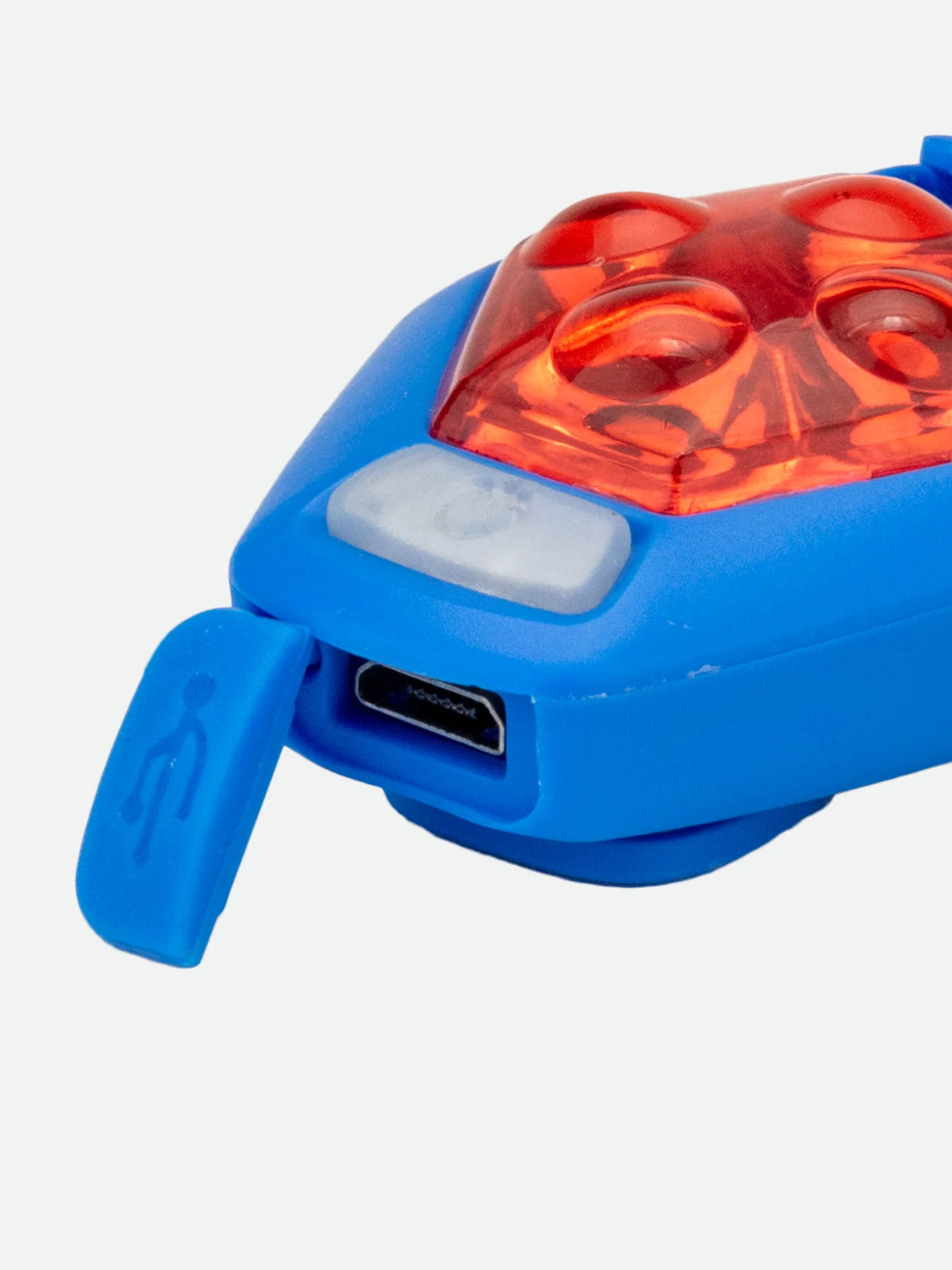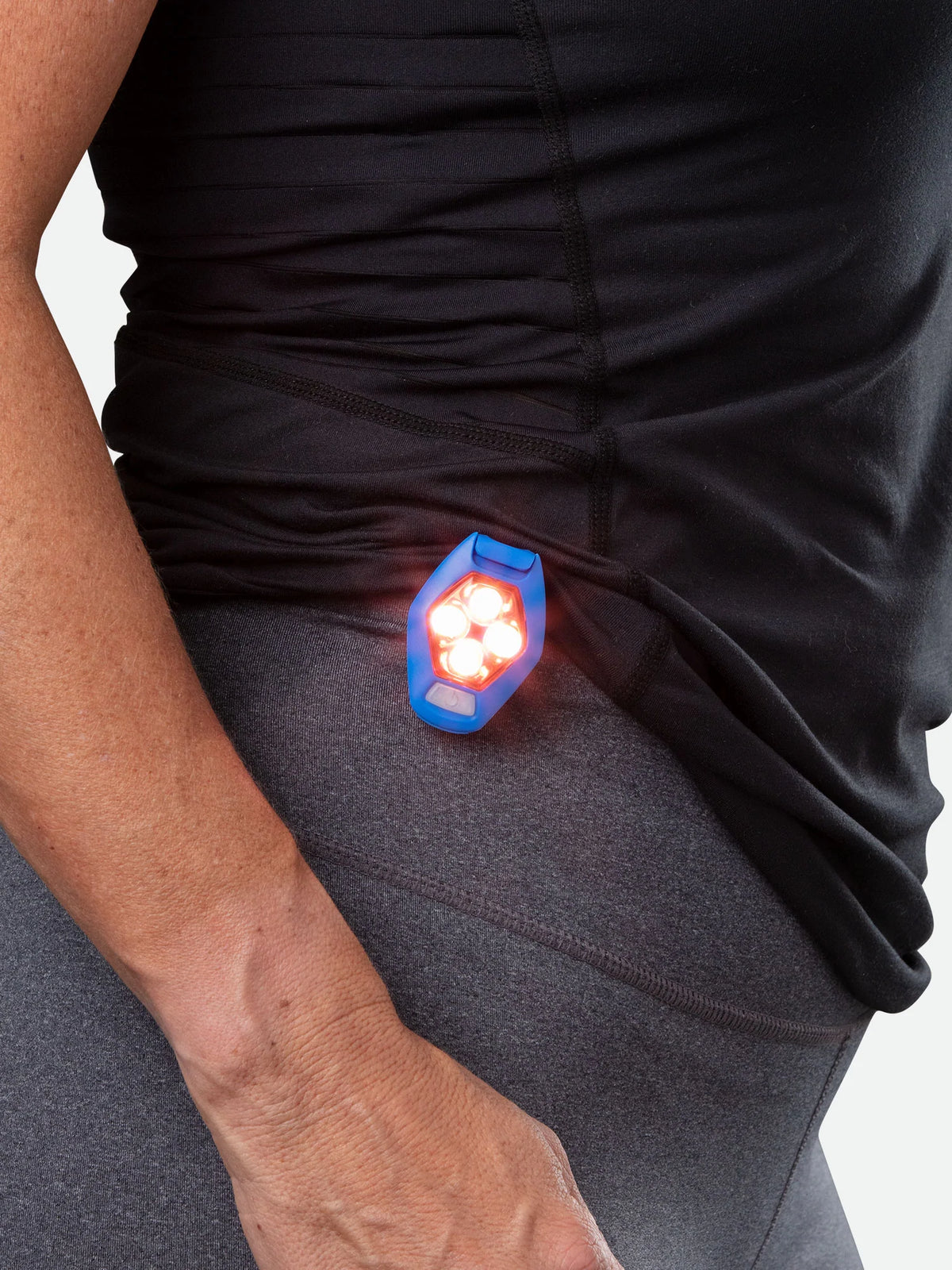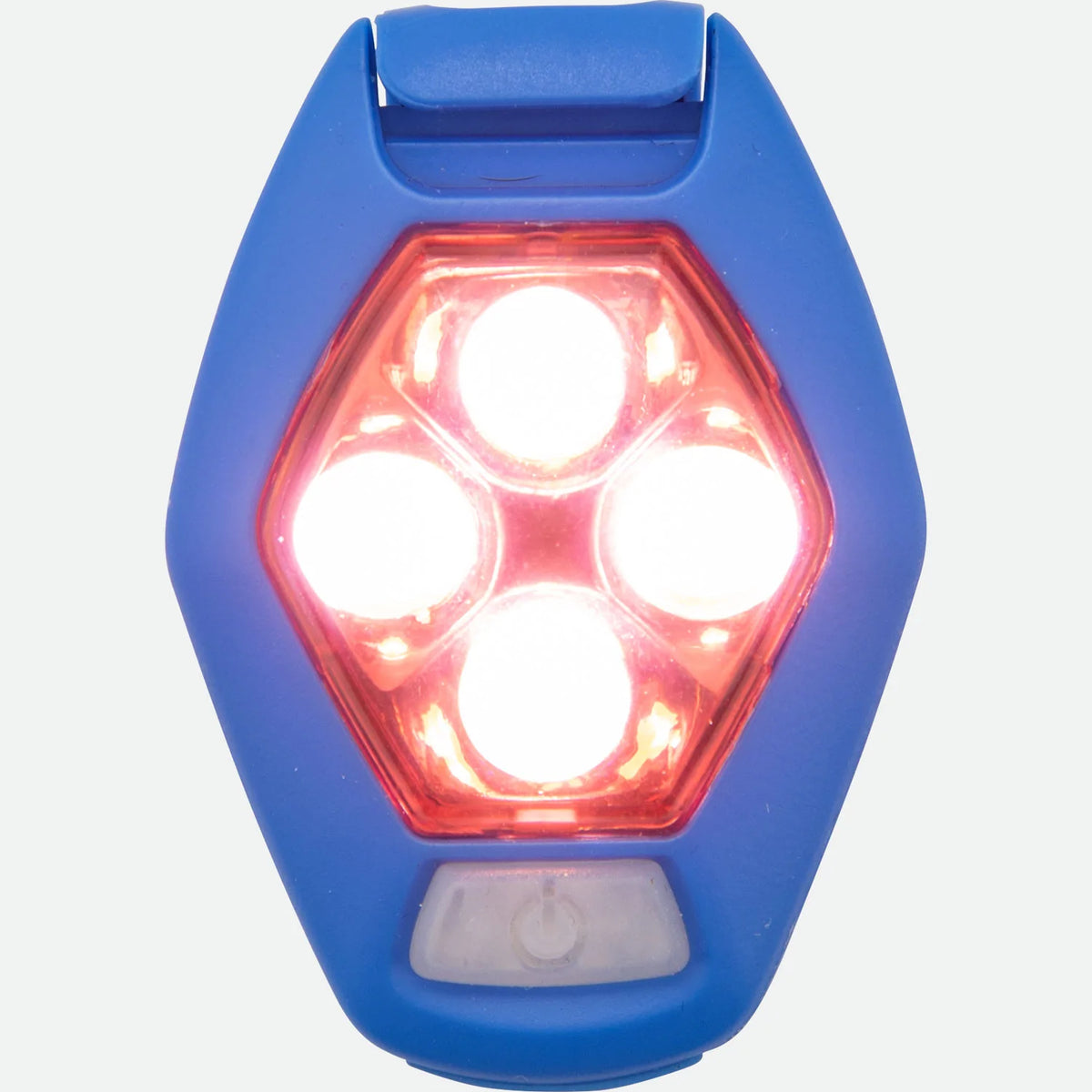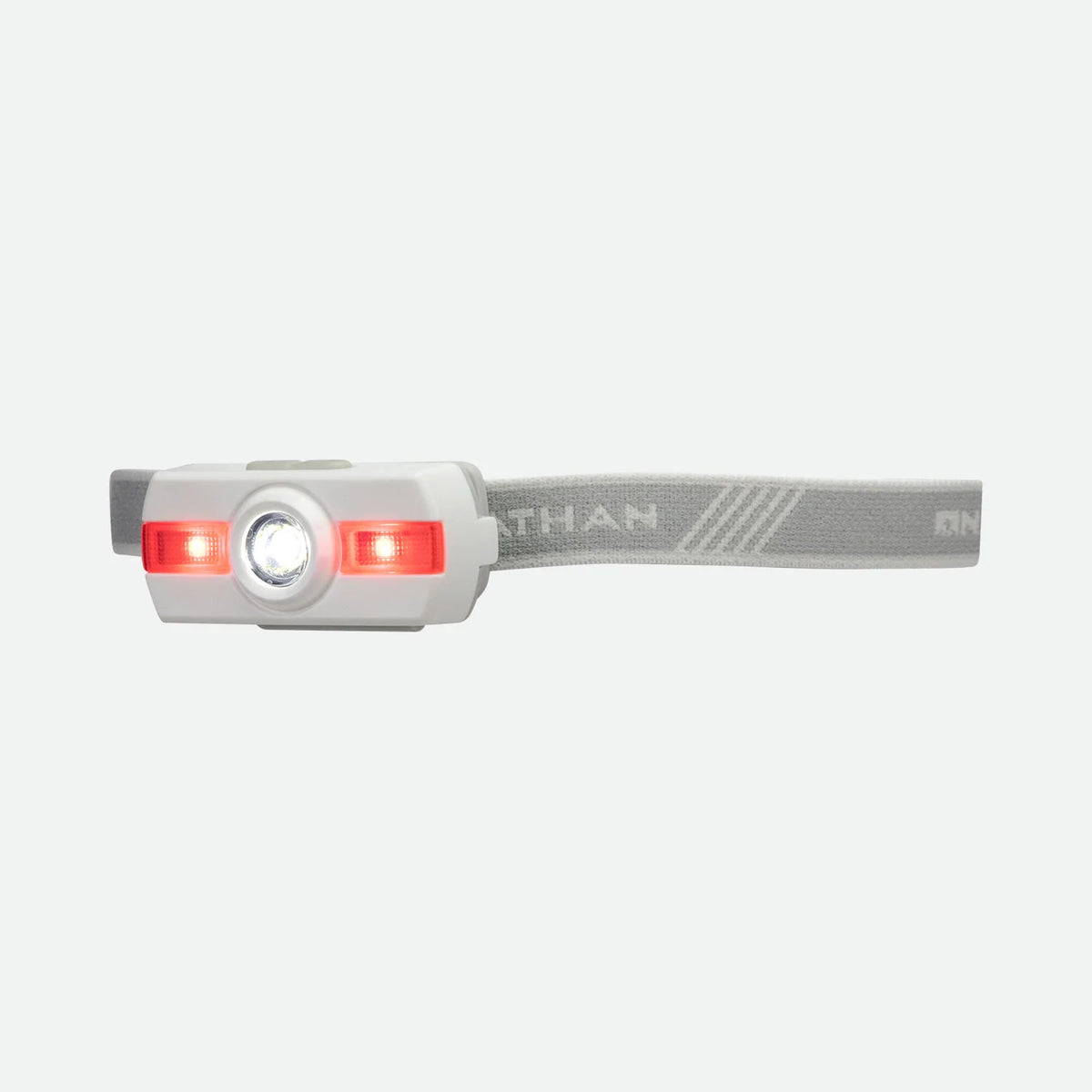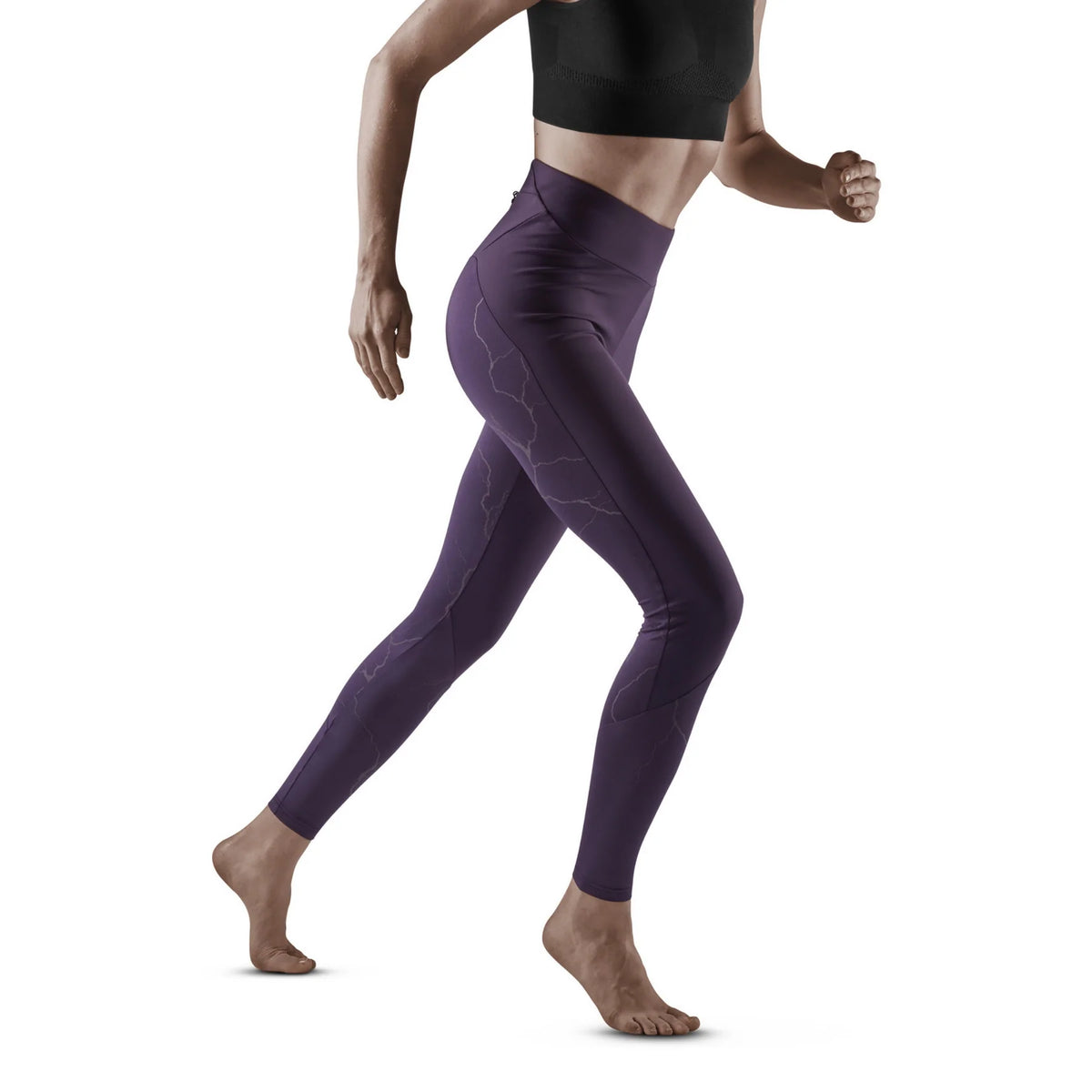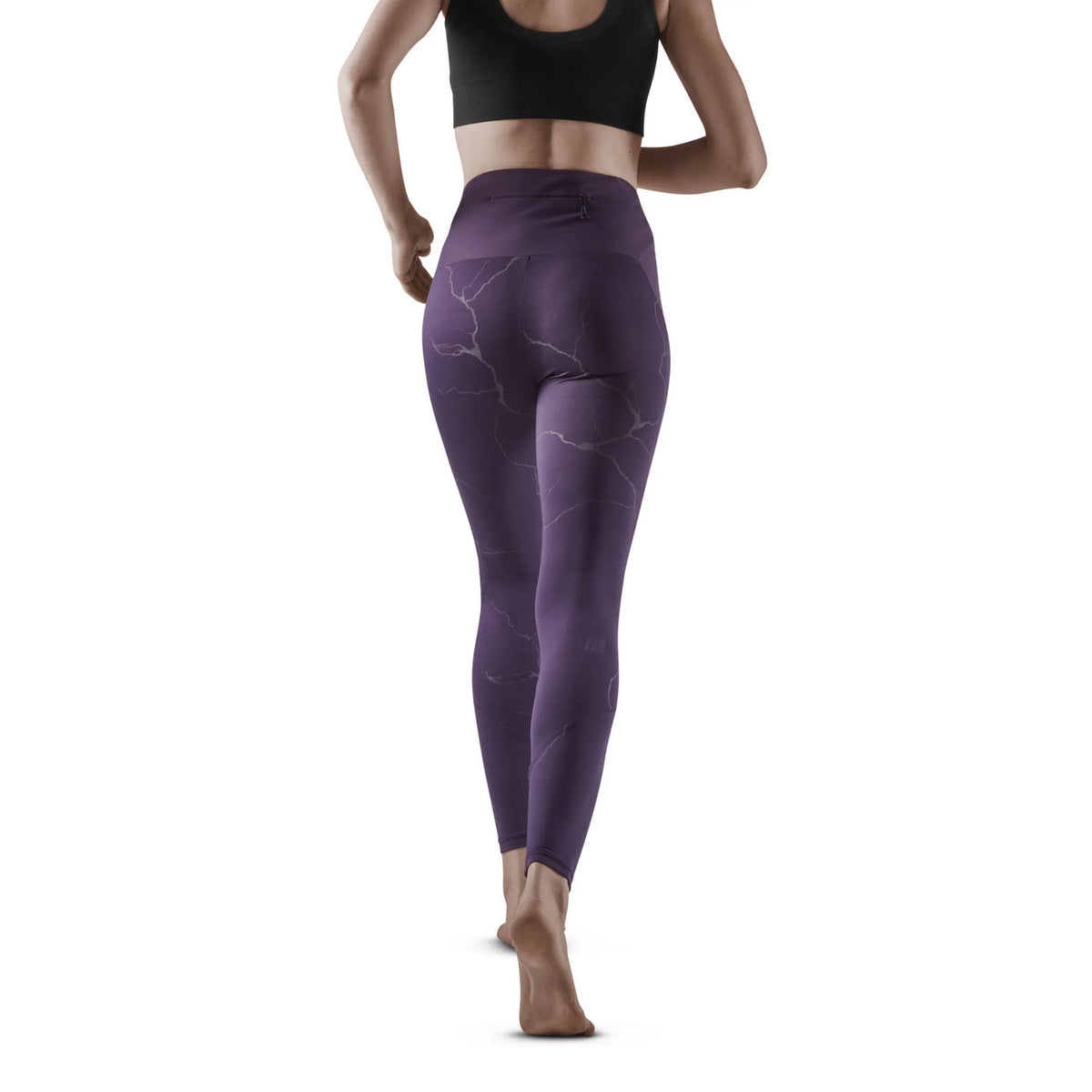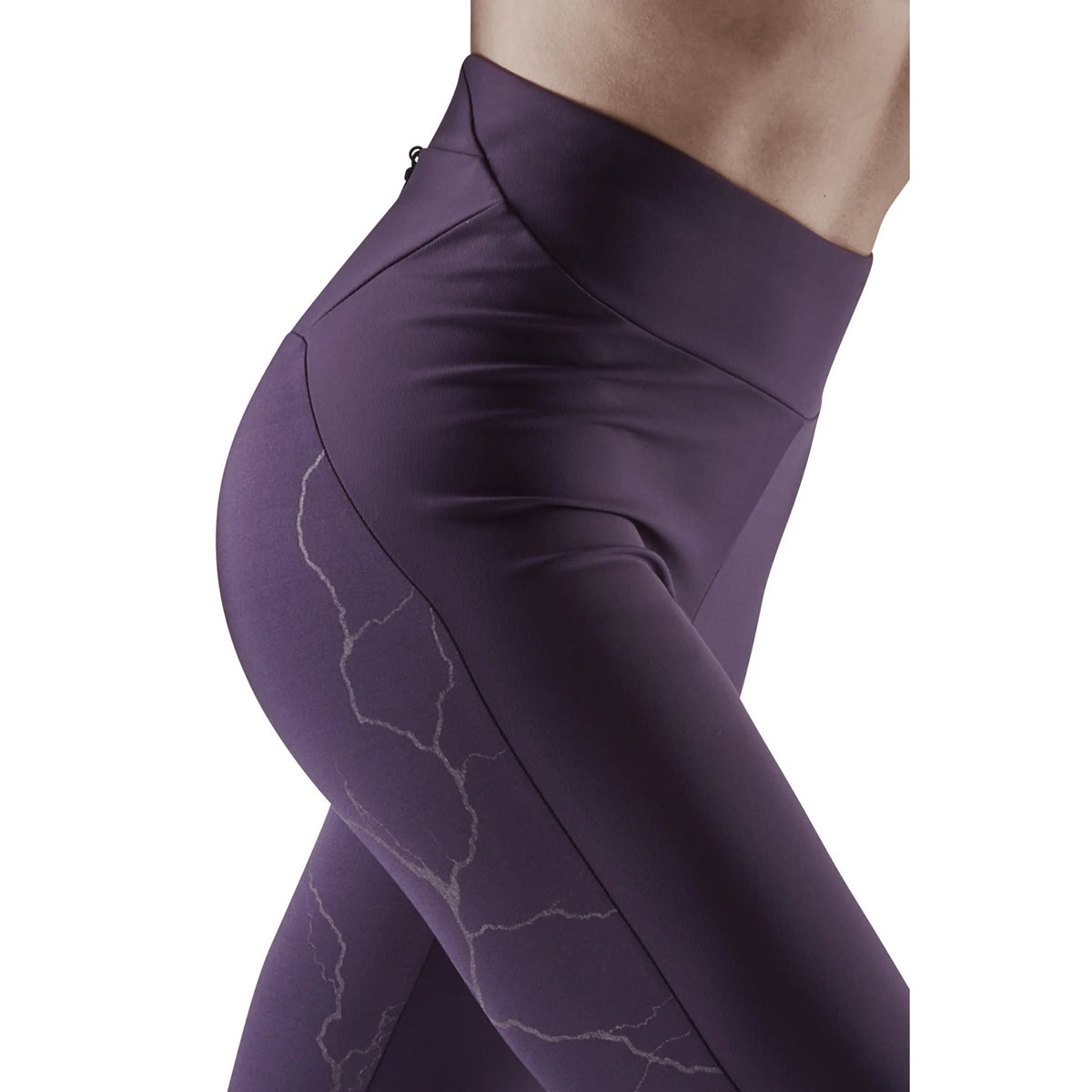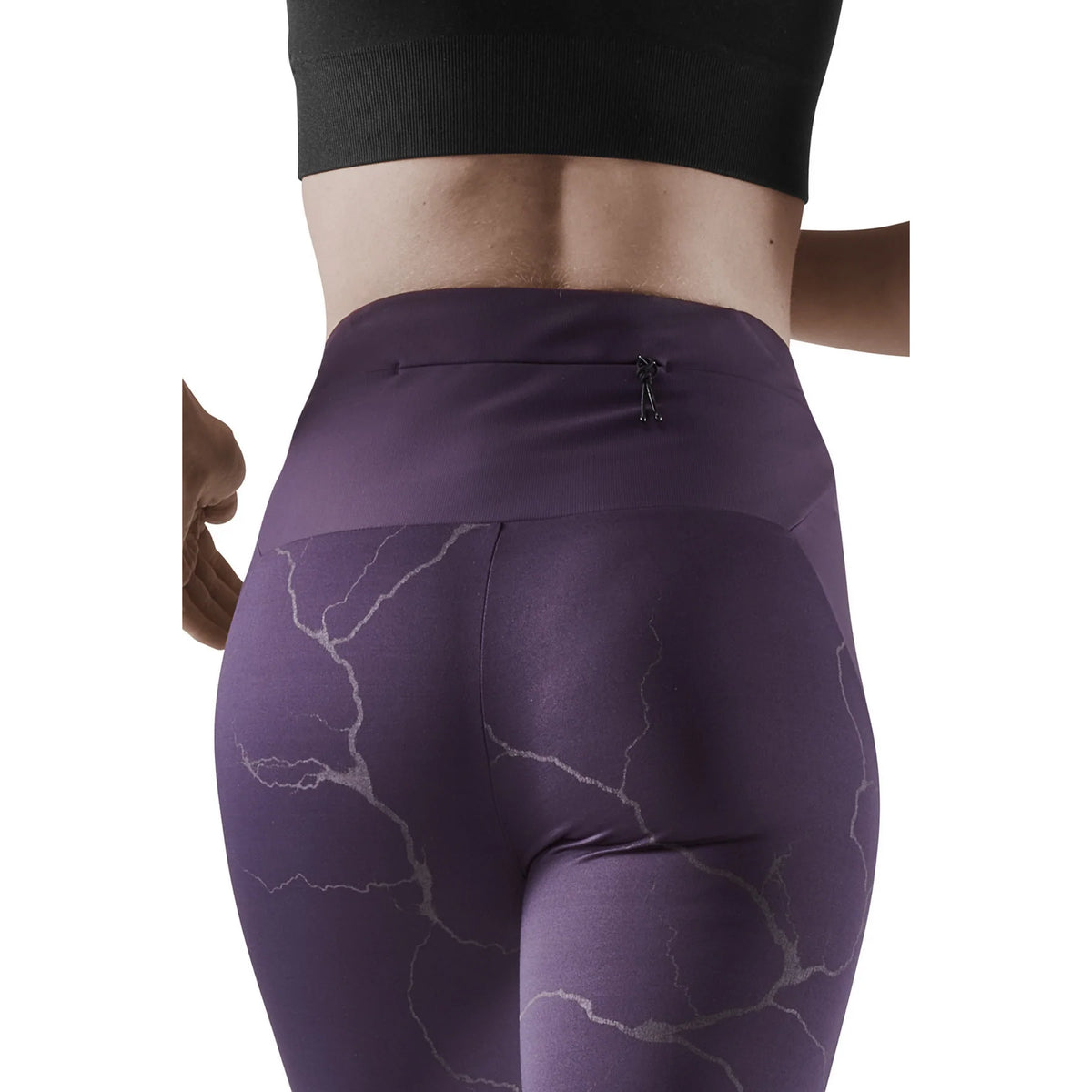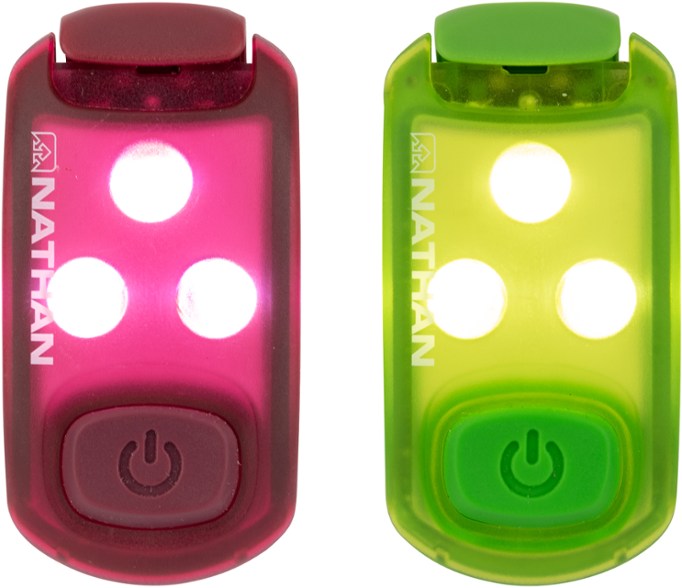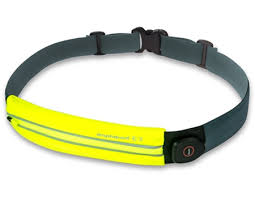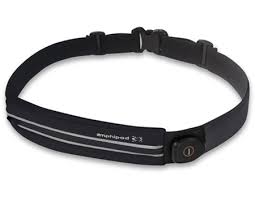

See where you're going
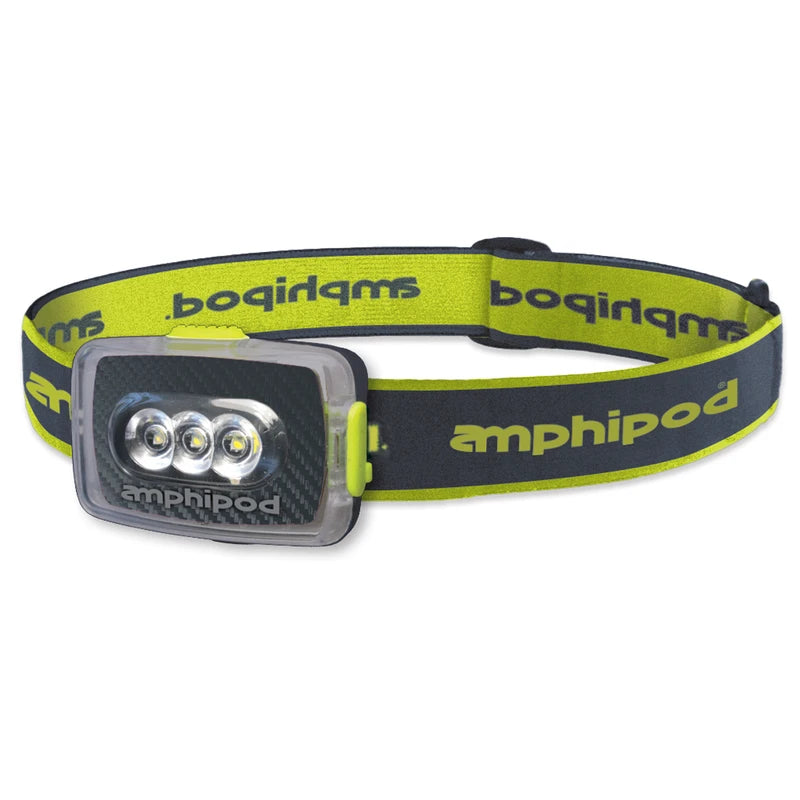
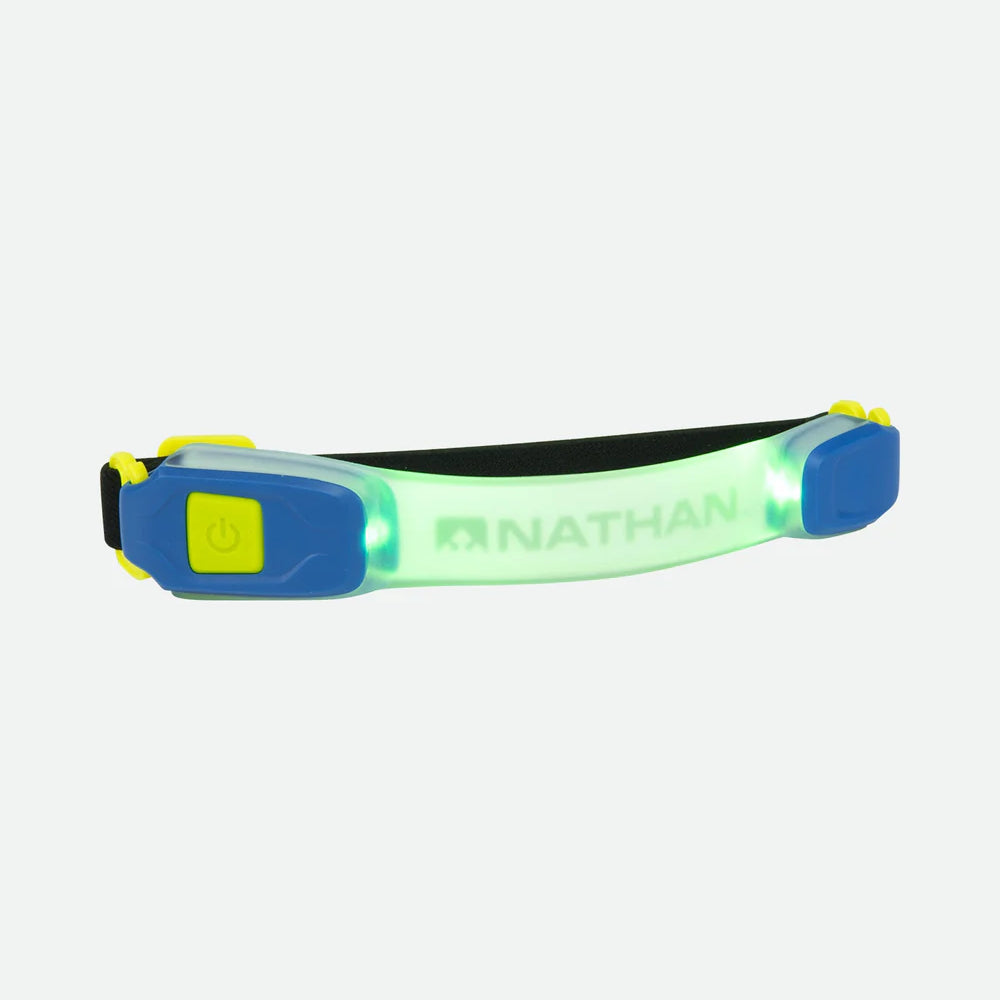
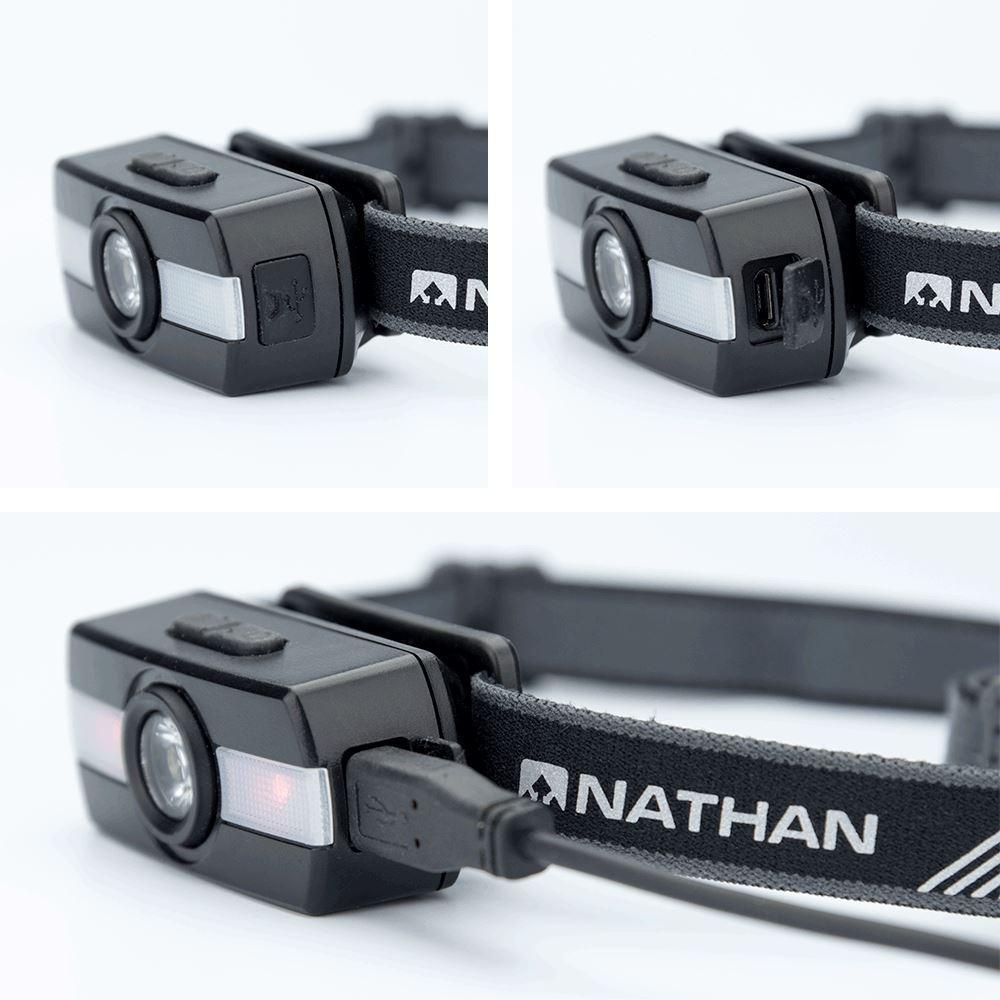
Headlamps and wearable beams help reveal uneven pavement, roots, curbs, and turns ahead.
HEADLAMPS + FORWARD LIGHTSCONFLUENCE RUNNING / RUN AFTER DARK
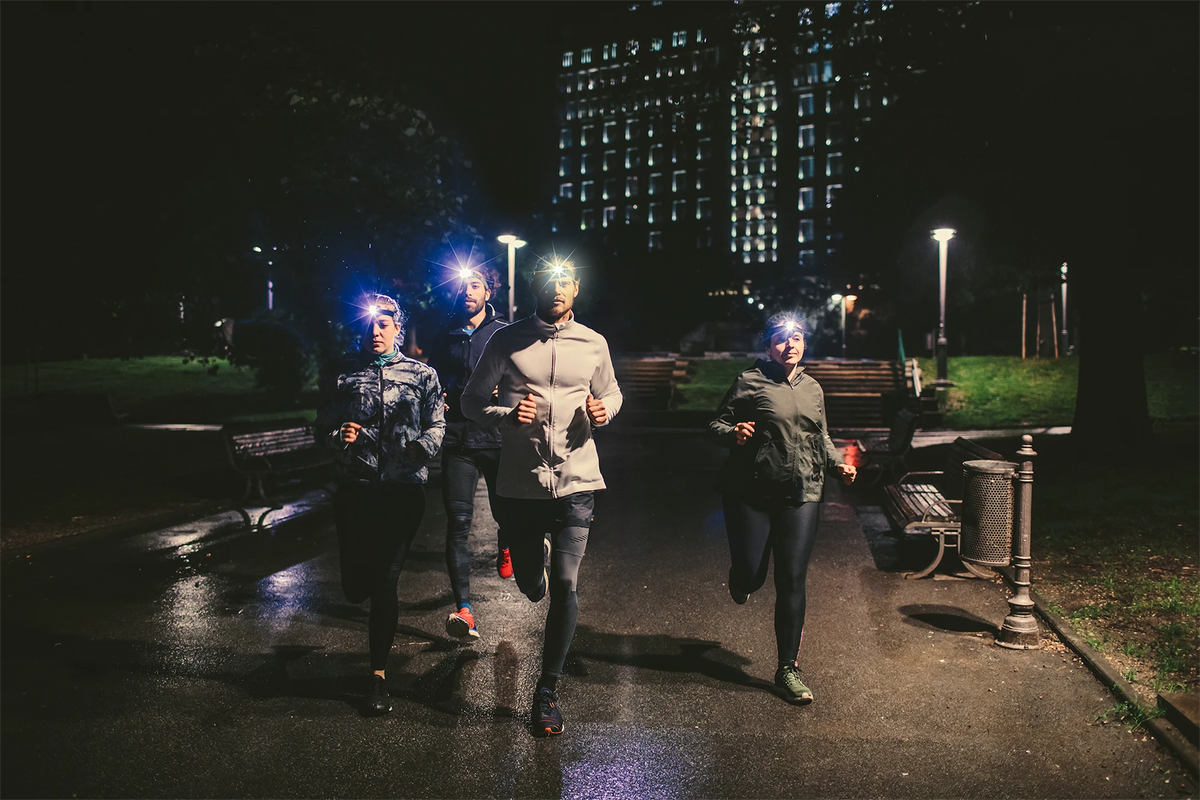
Your night-running setup has two visibility jobs: help you spot the road ahead and help people notice you. We'll help you choose the right lights, reflective gear, and accessories for your route.
Better visibility helps. It does not replace attention, route planning, or traffic awareness.
WHAT'S IN YOUR NIGHT-RUN KIT?
One product rarely covers every need. Start with the conditions you'll face.
Headlamps and wearable beams help reveal uneven pavement, roots, curbs, and turns ahead.
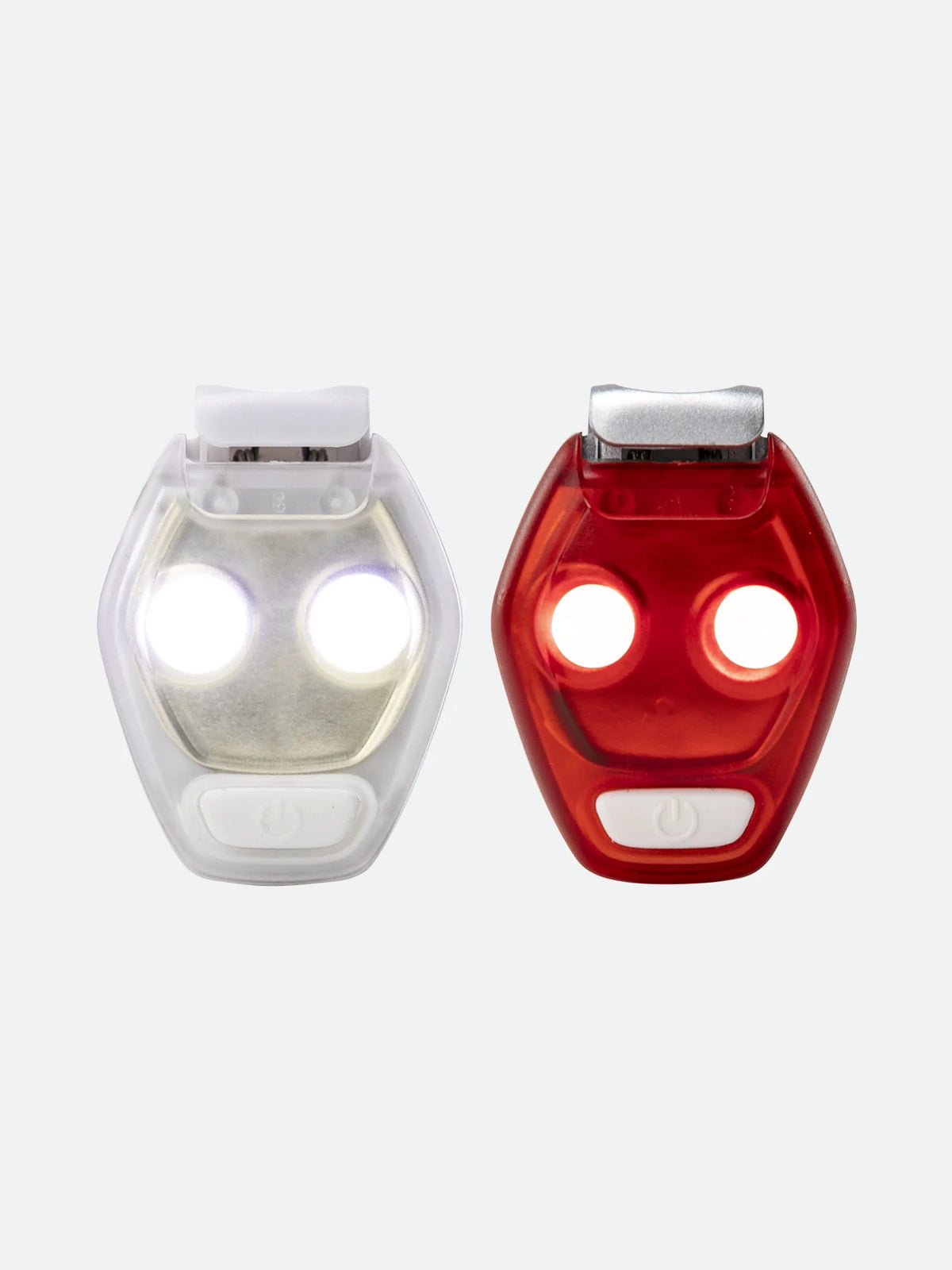
HEADLAMPS + FORWARD LIGHTSReflective material responds to headlights. Active lights produce their own light. Pair them for coverage from more angles.
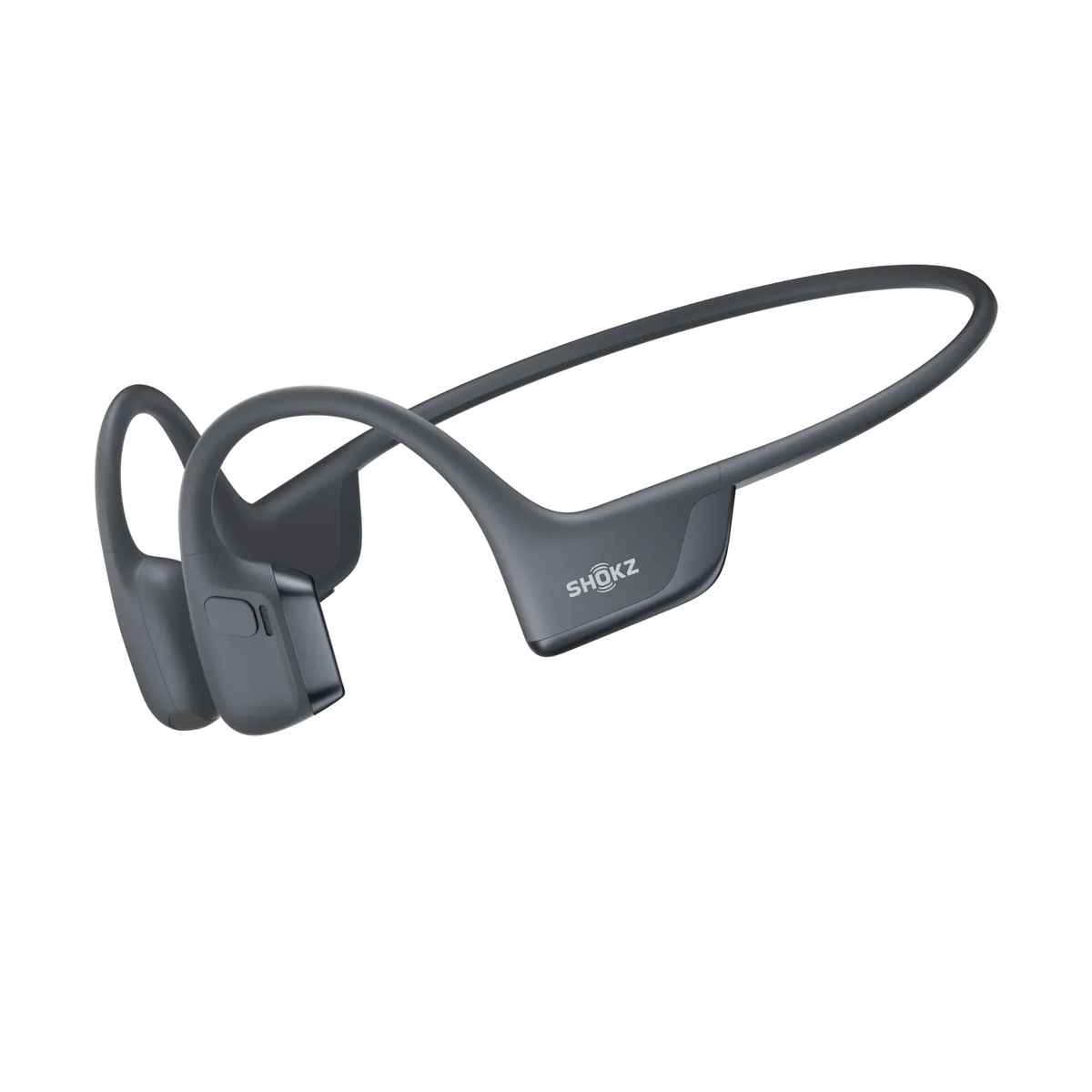
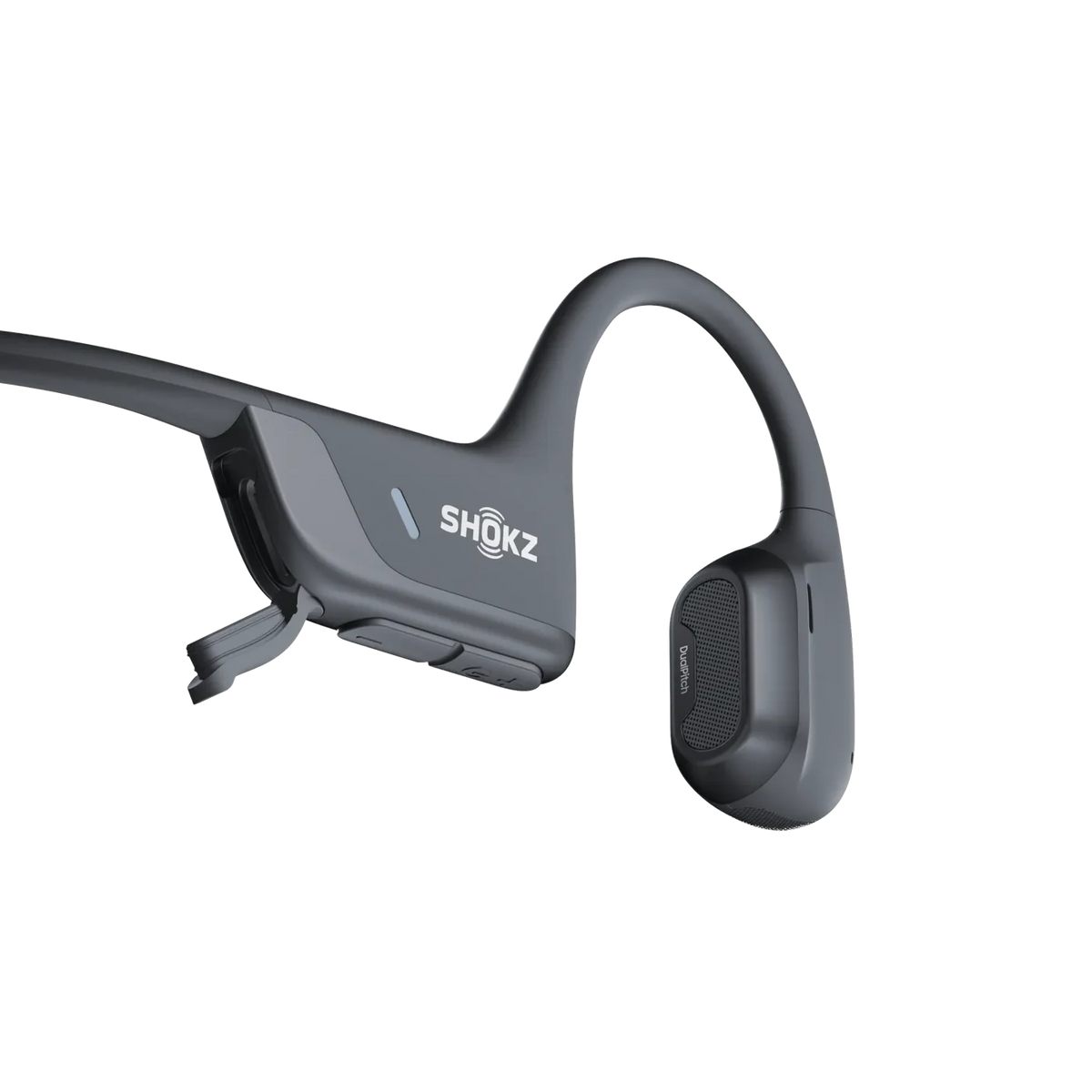
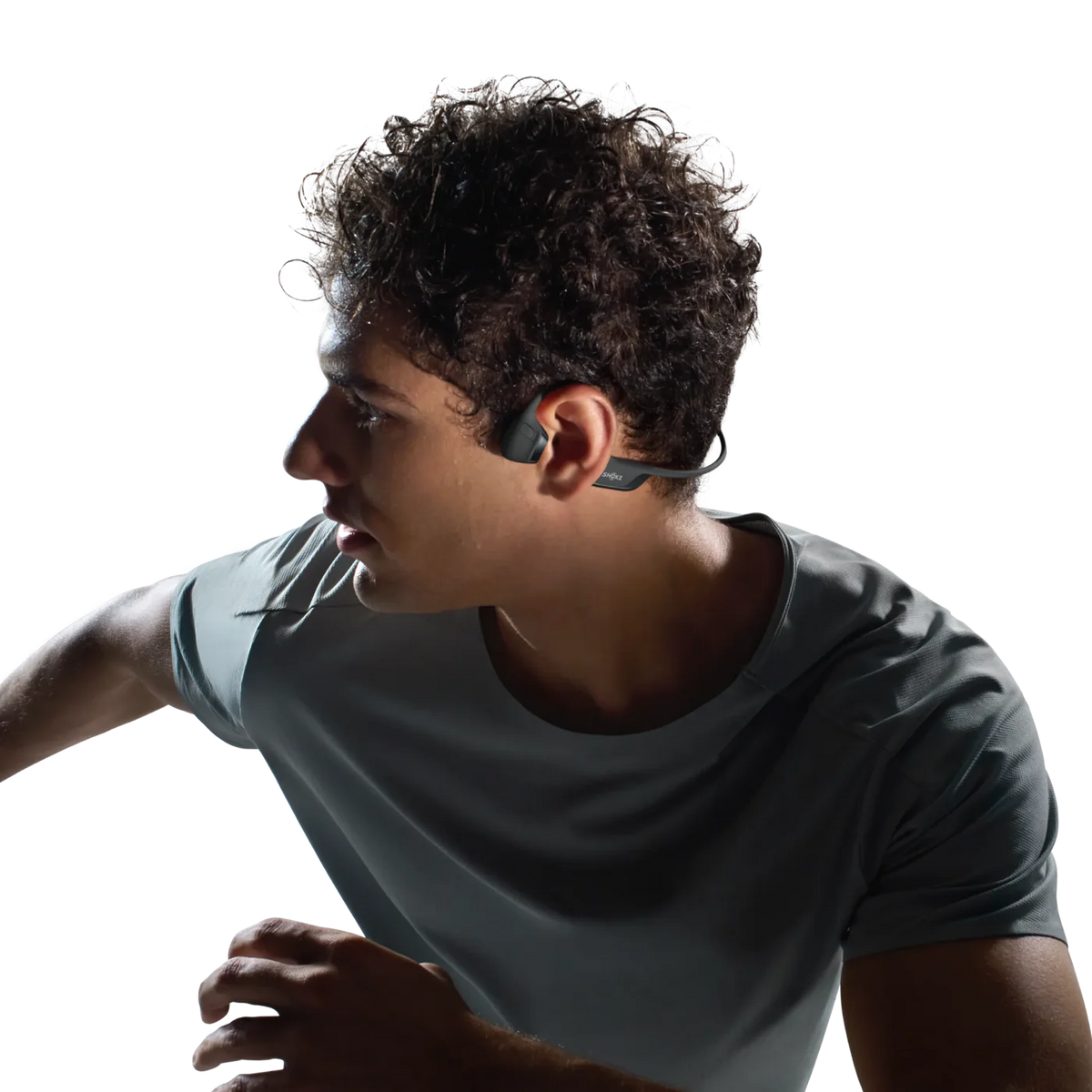
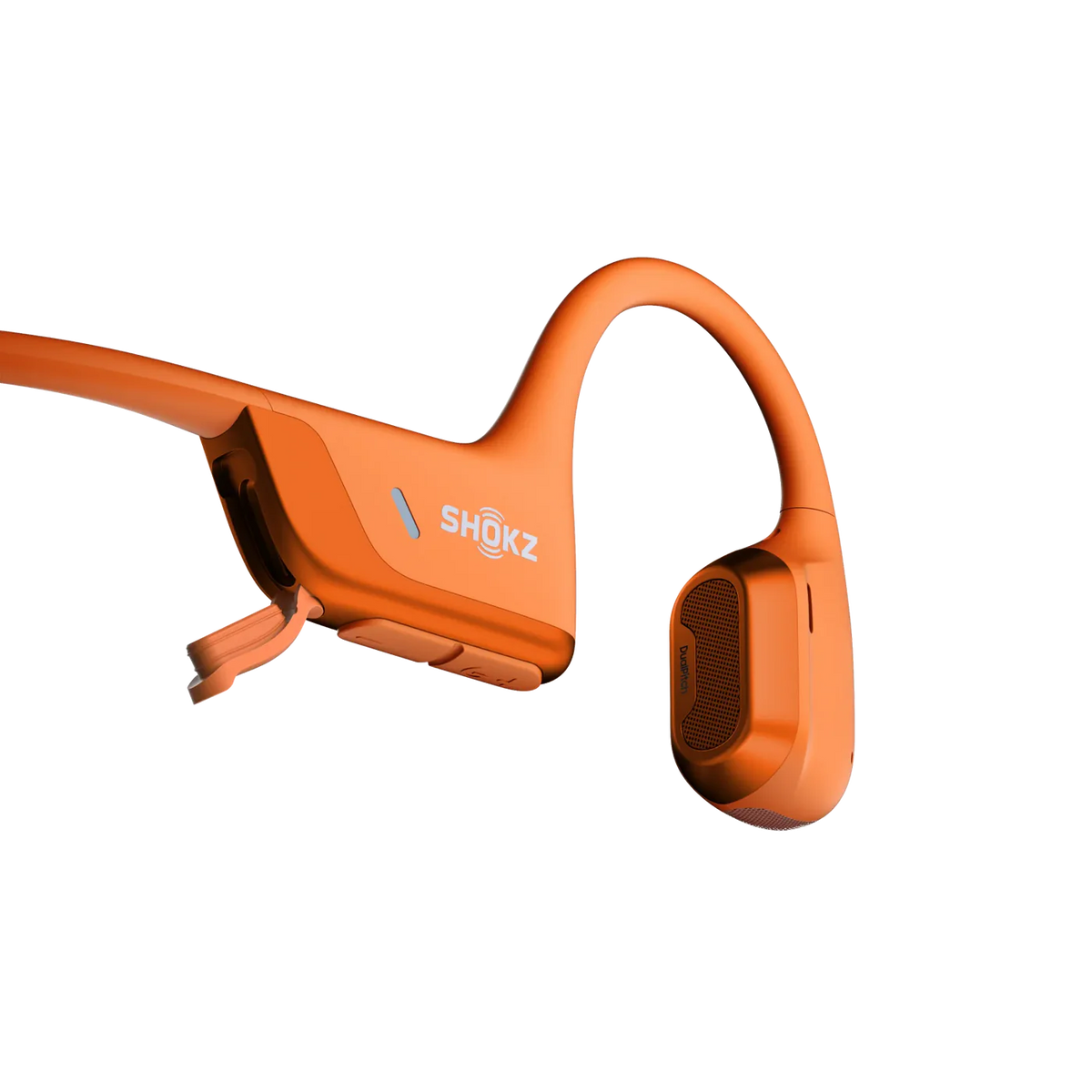
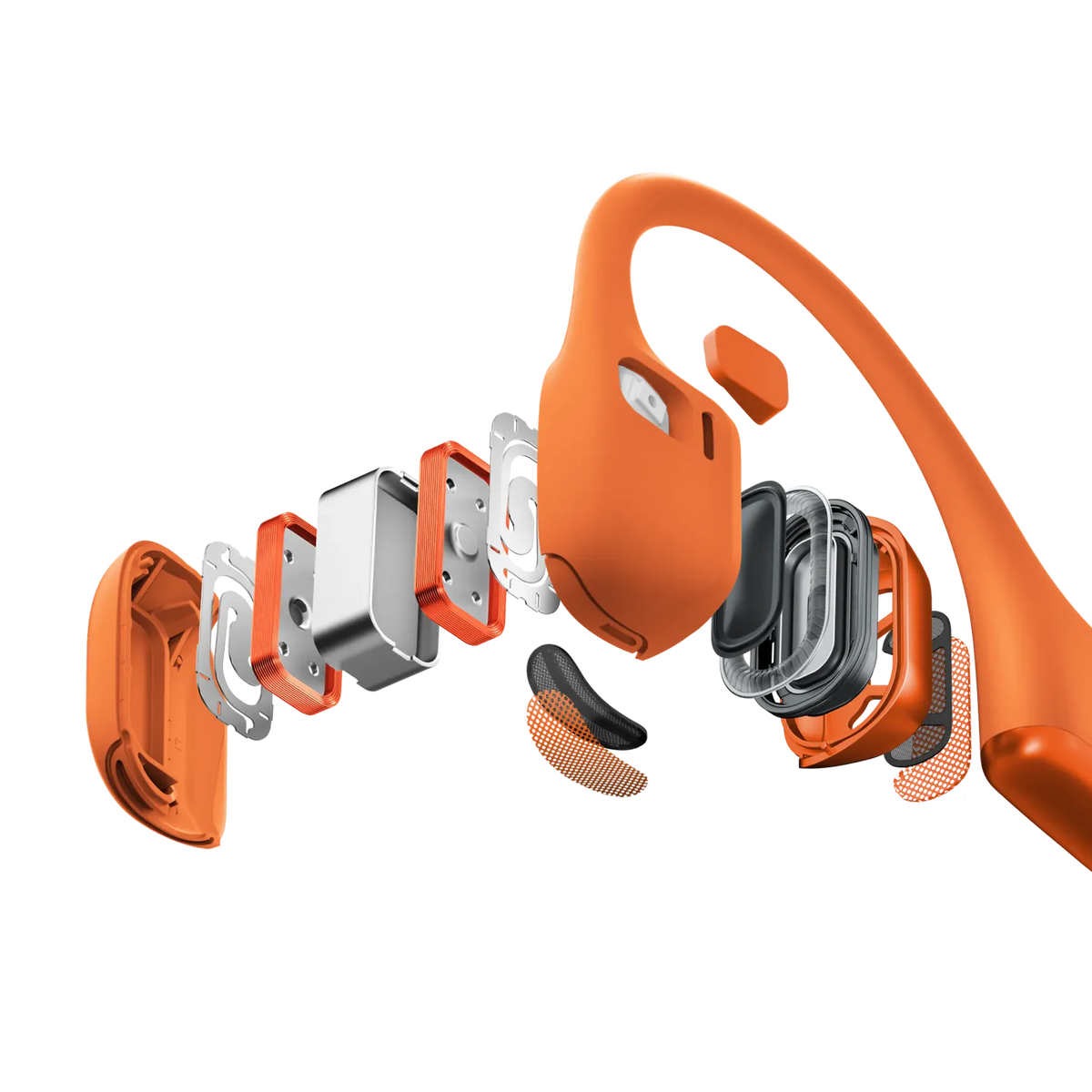
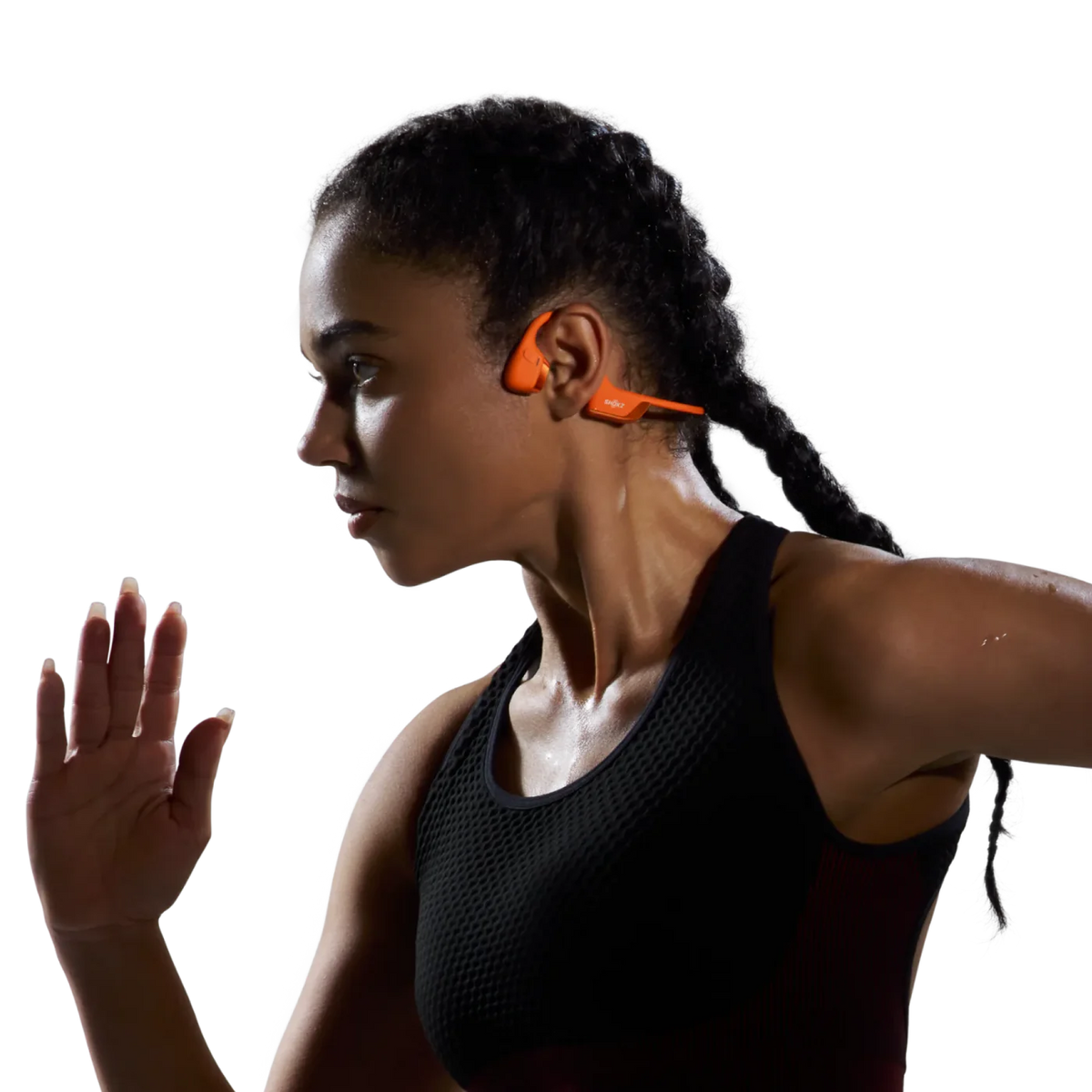
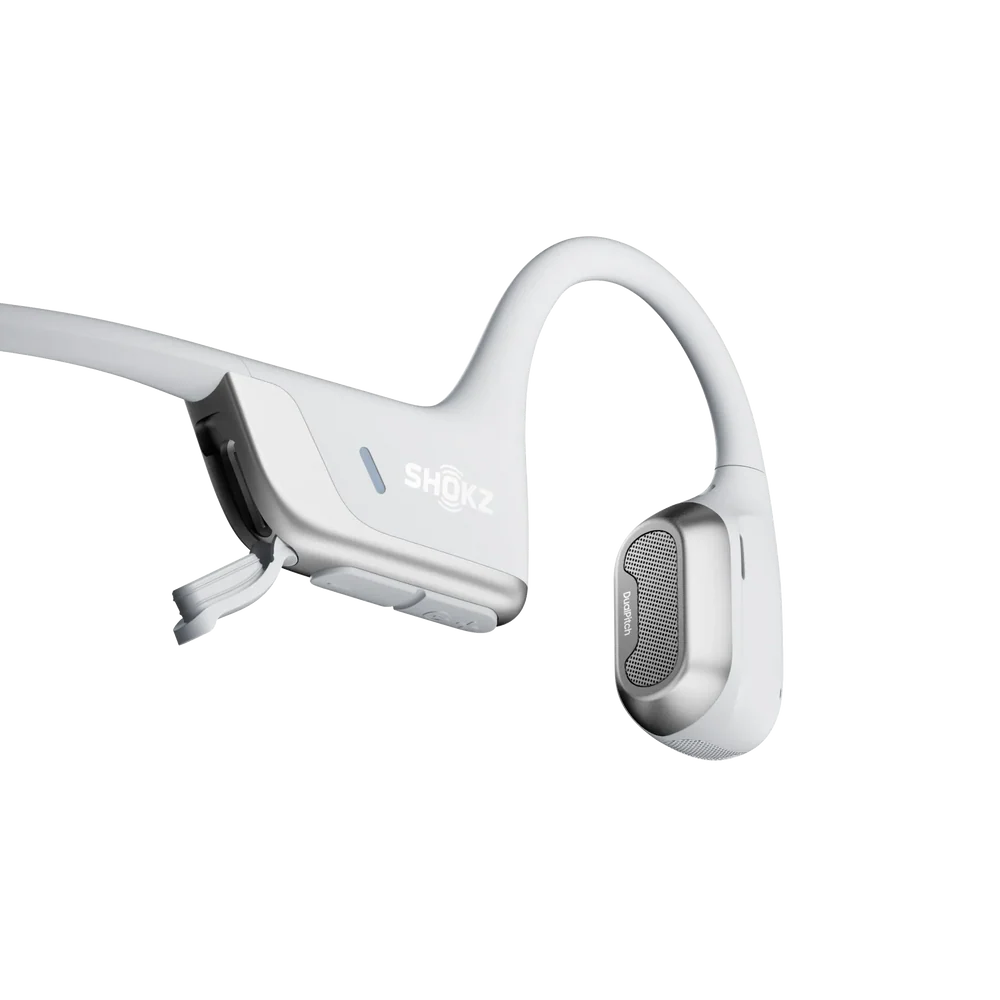
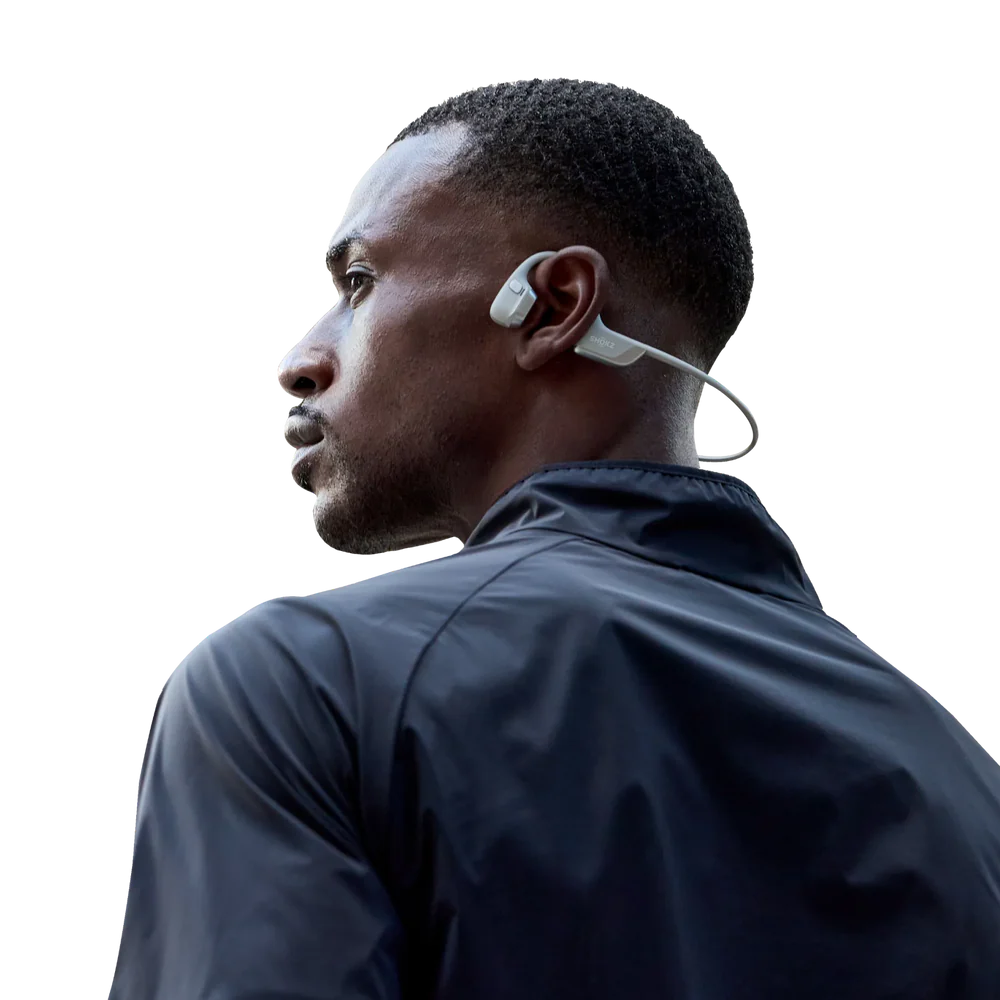
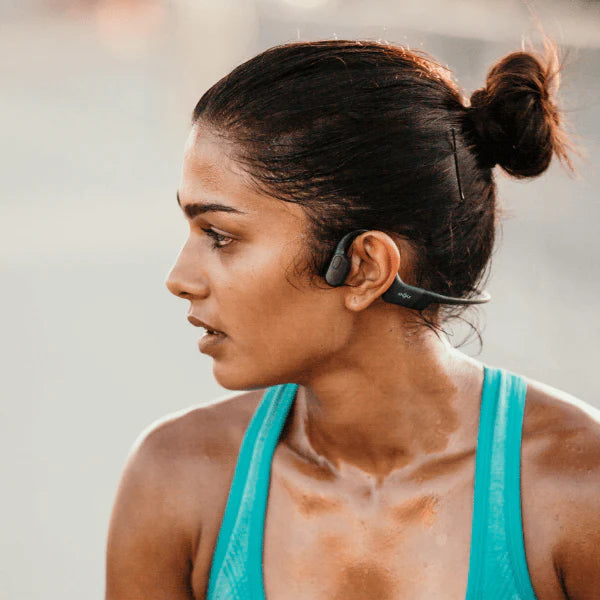
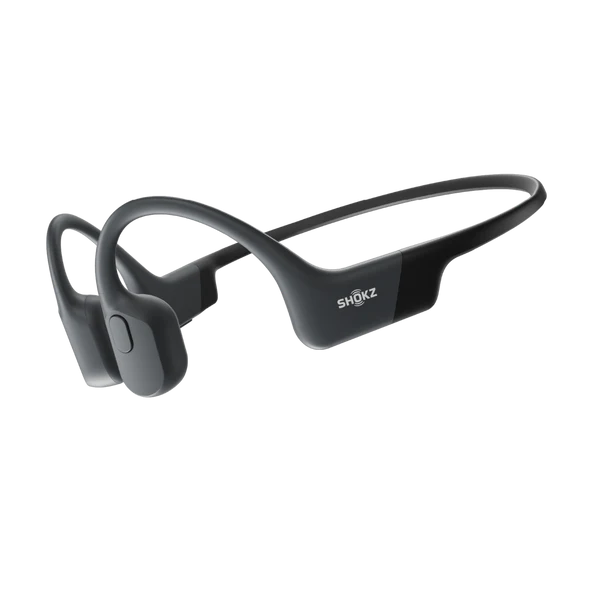
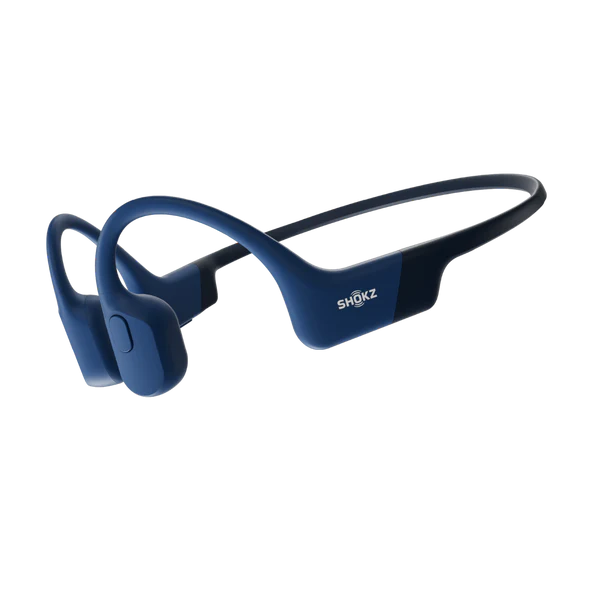
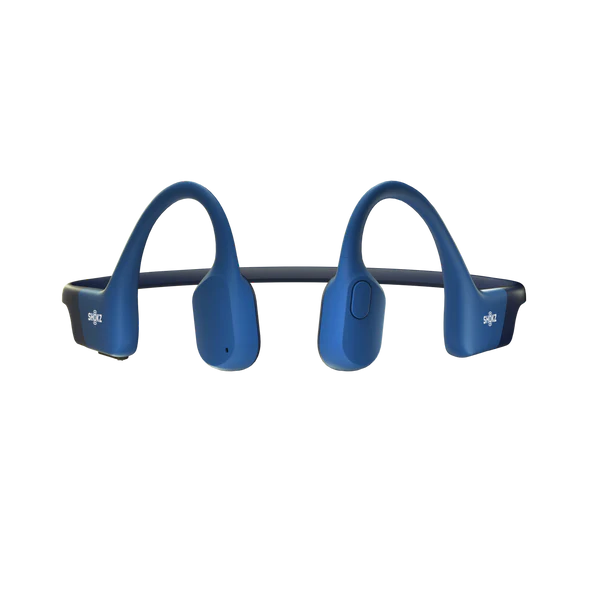
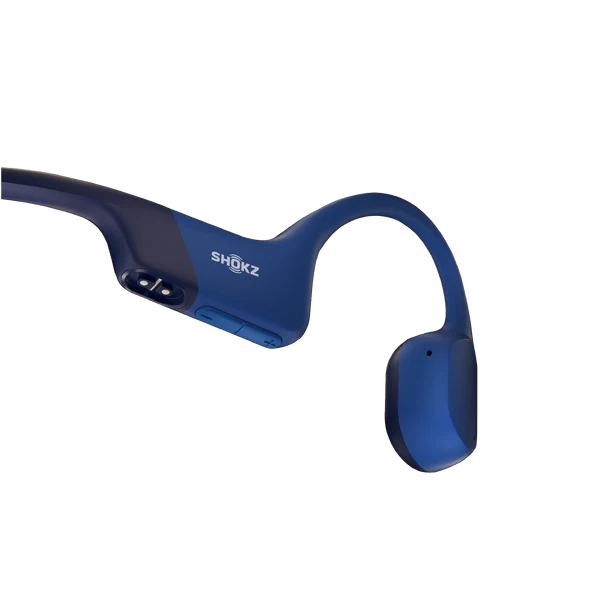
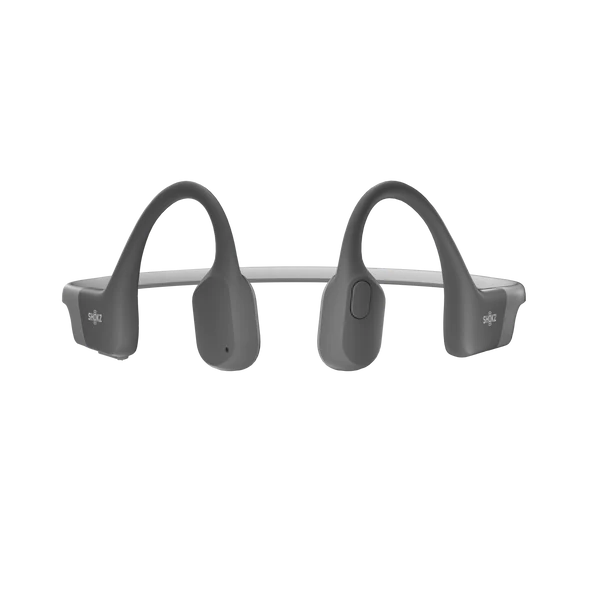
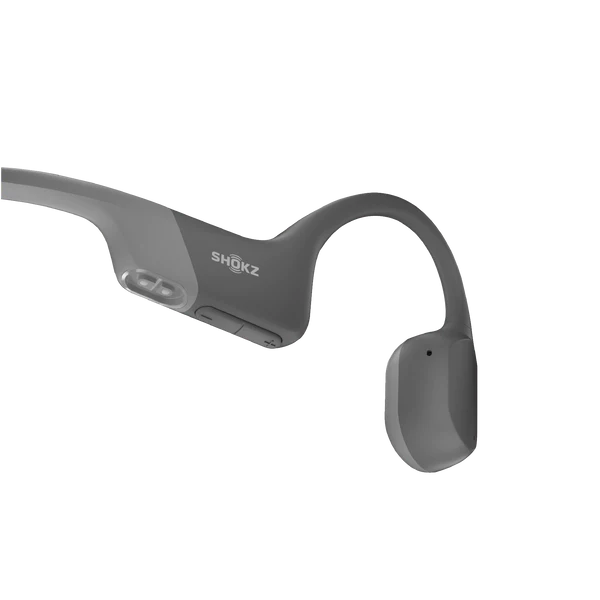
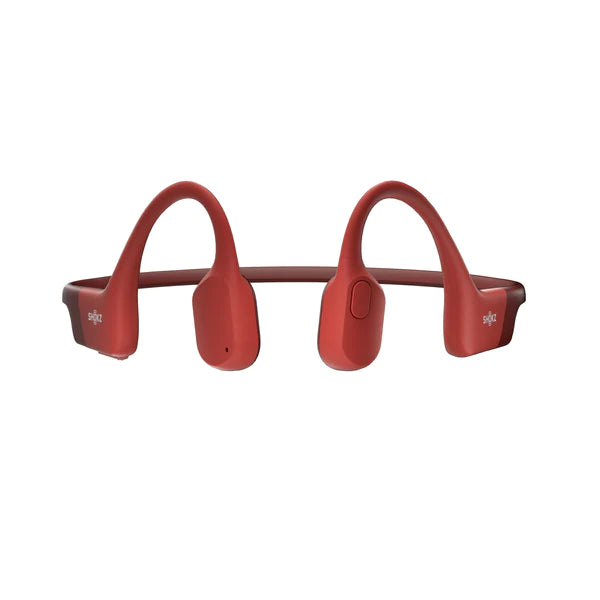
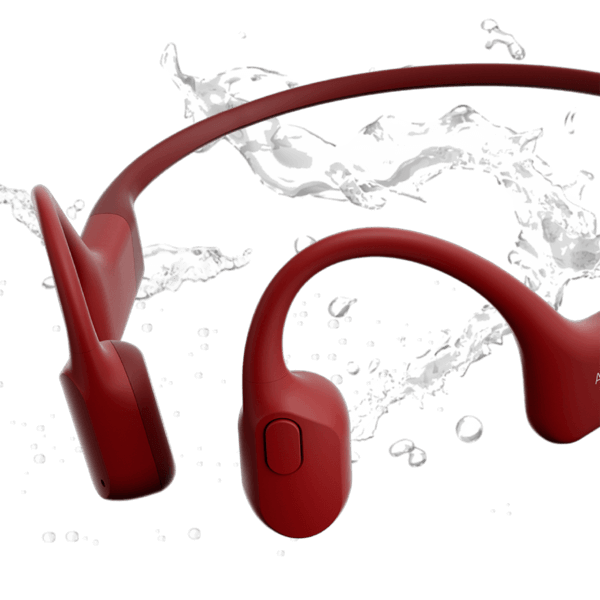
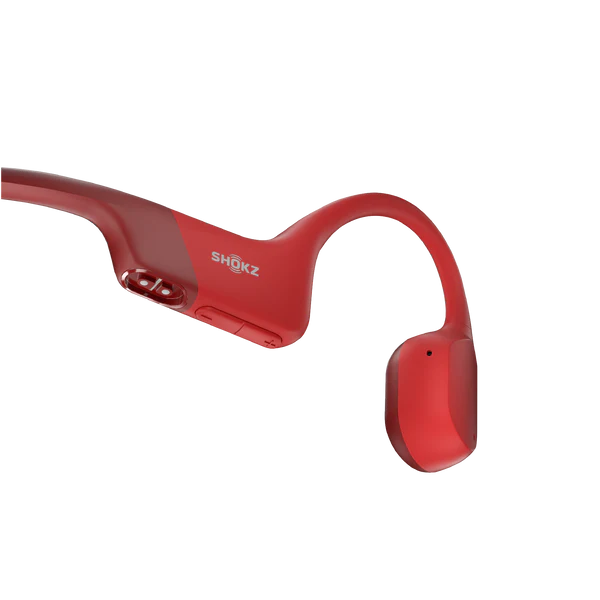
REFLECTIVE VESTS + CLIP-ON LIGHTSCheck intersections, traffic, and your route. Open-ear audio leaves ears less obstructed, but volume and awareness still matter.
ROUTE PLANNING + OPEN-EAR AUDIOCURATED RUNNING SAFETY EQUIPMENT
How to choose your setupTHE CONFLUENCE FIT GUIDE
We help runners compare fit, visibility, comfort, and battery life. Start with where you'll run, not a product price tag.
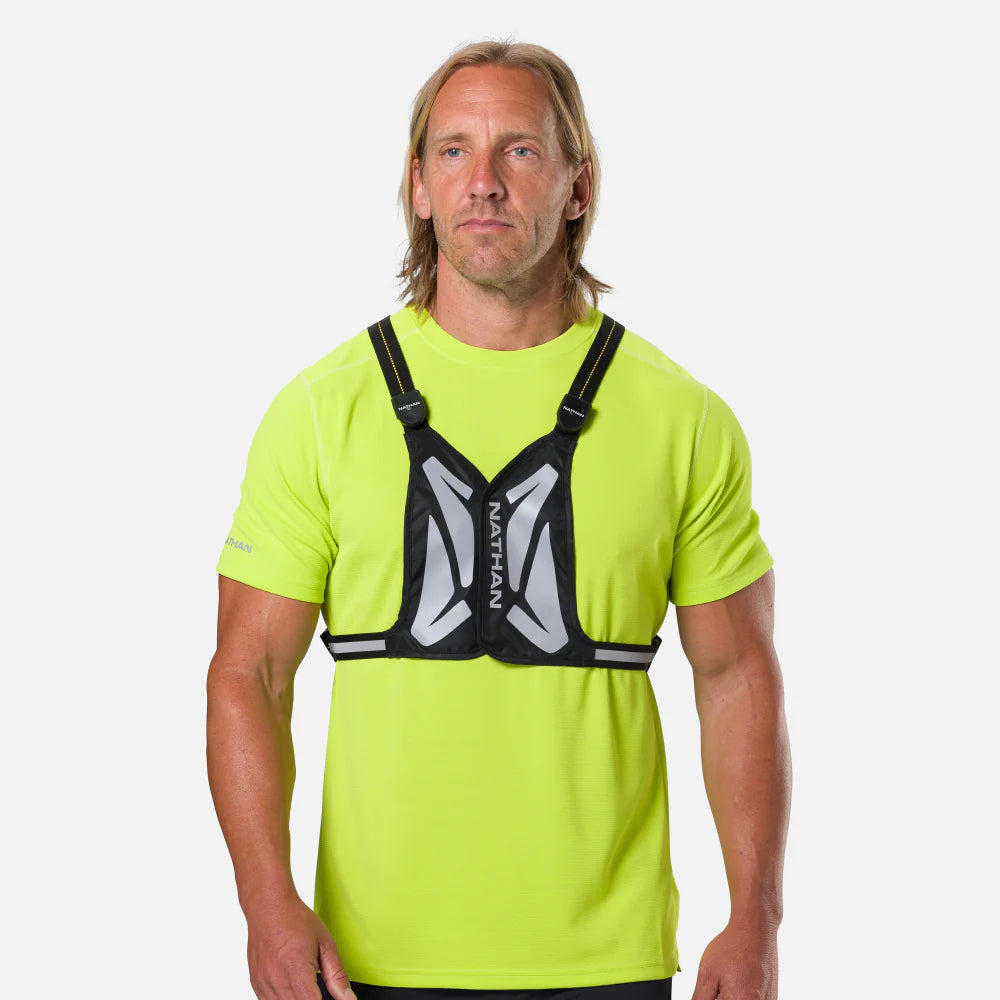
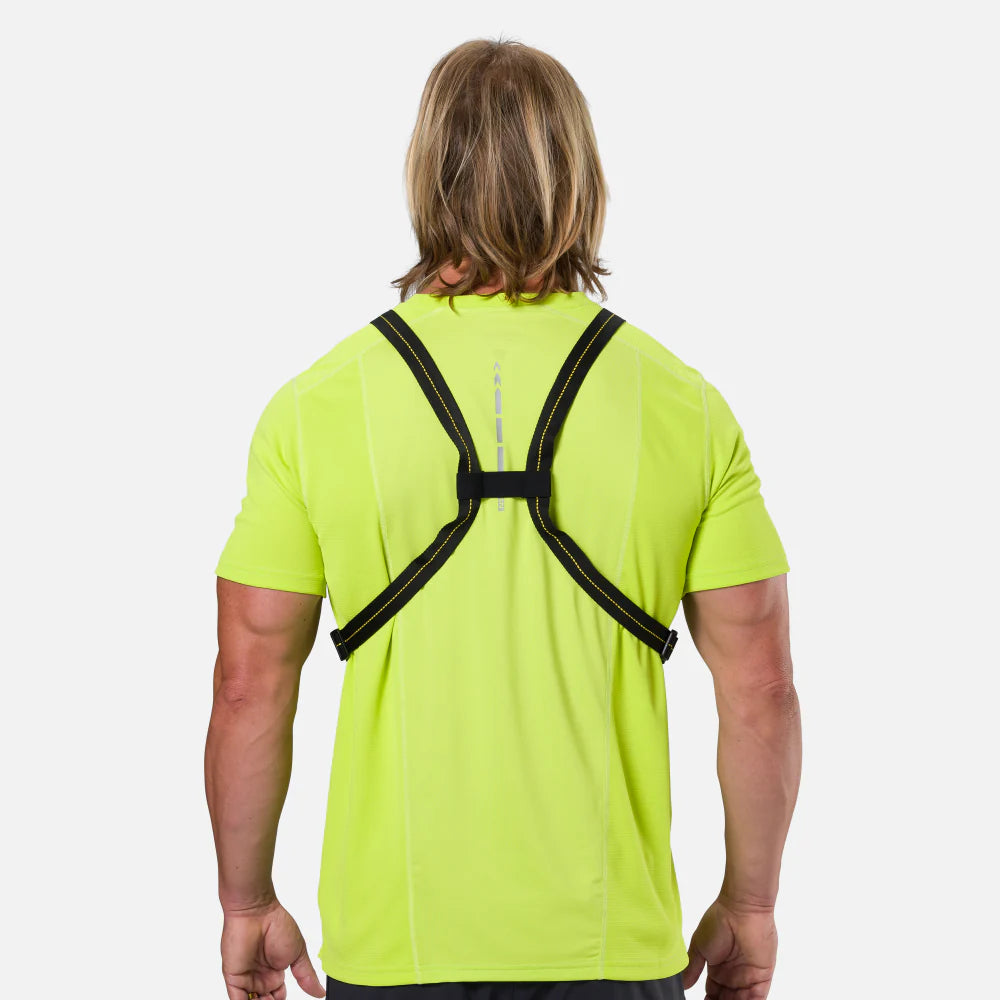
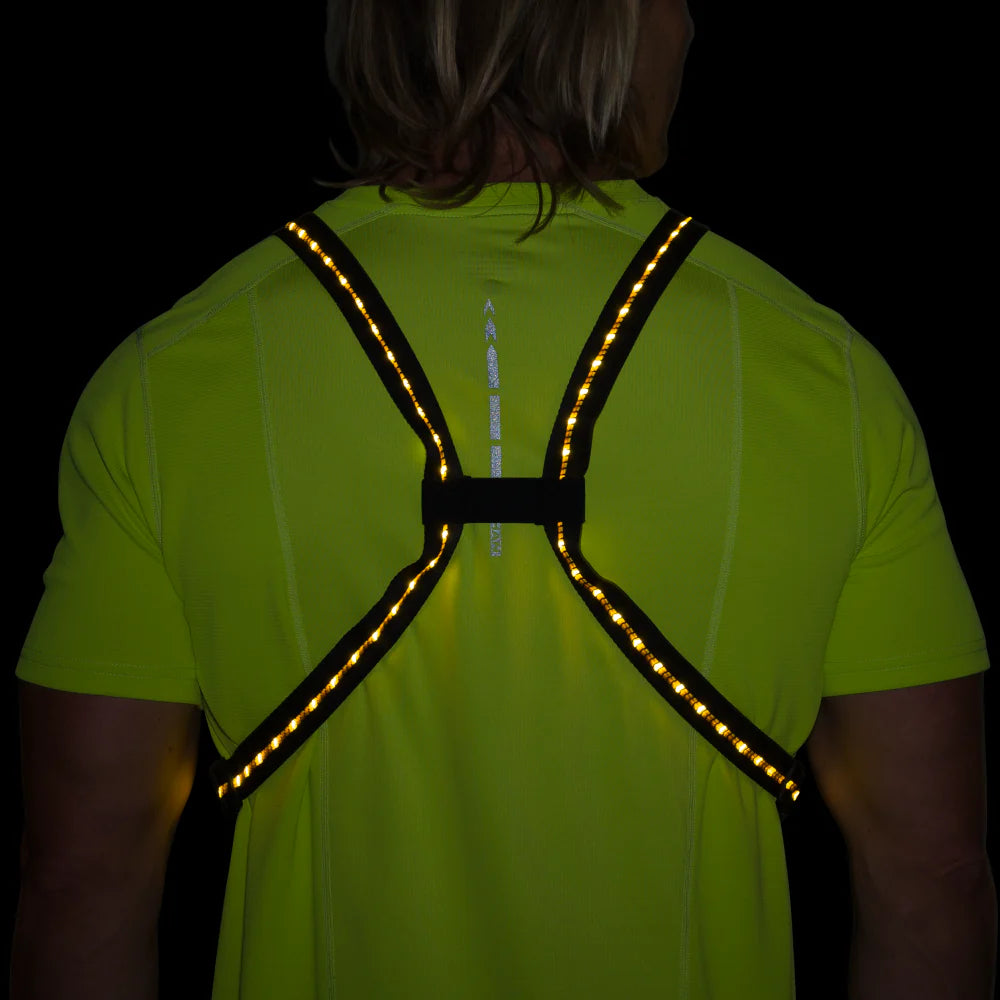
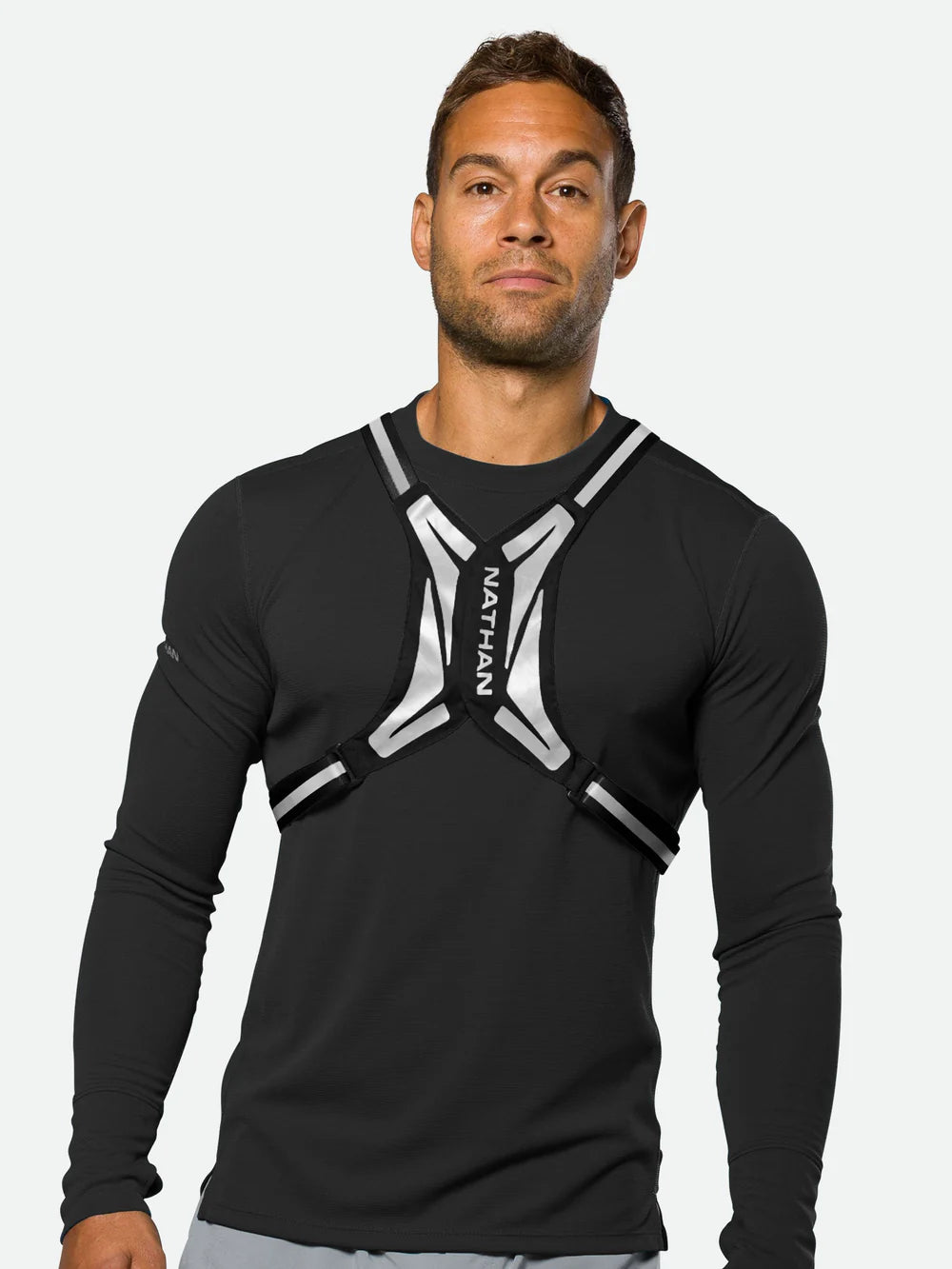
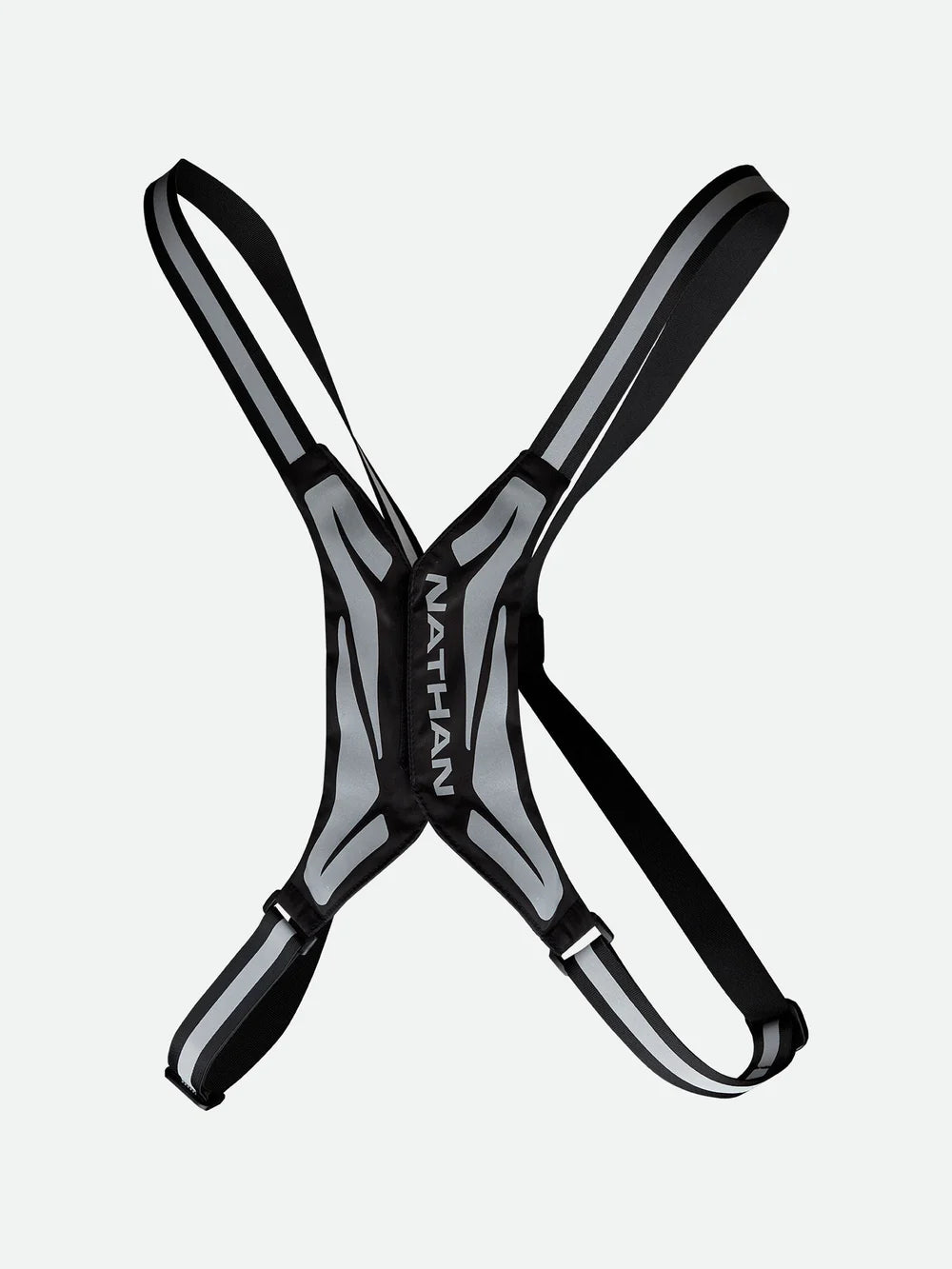
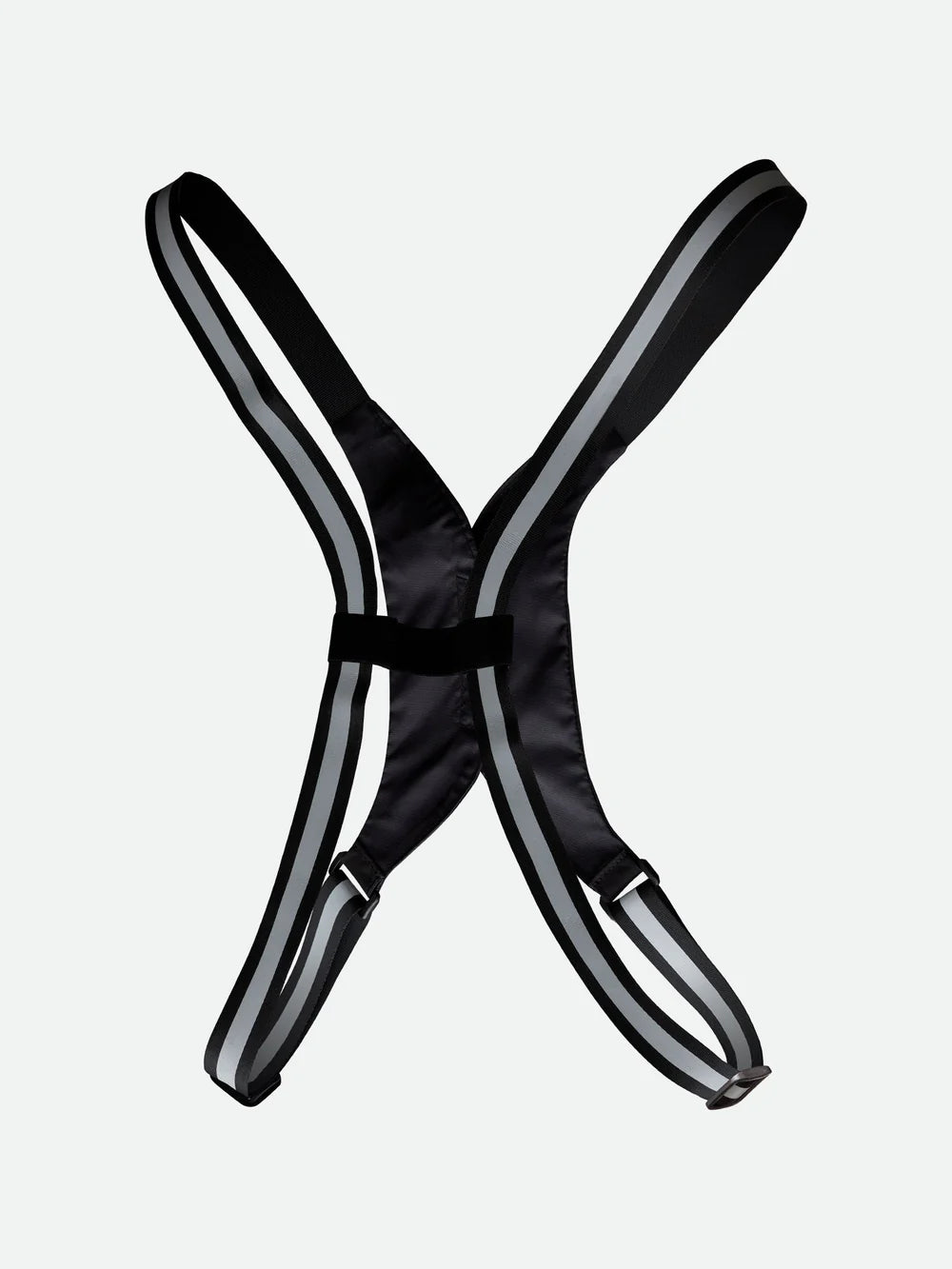
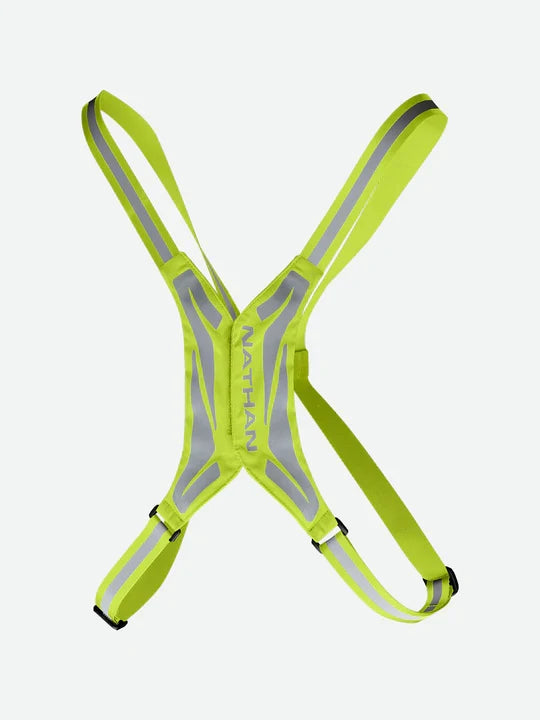
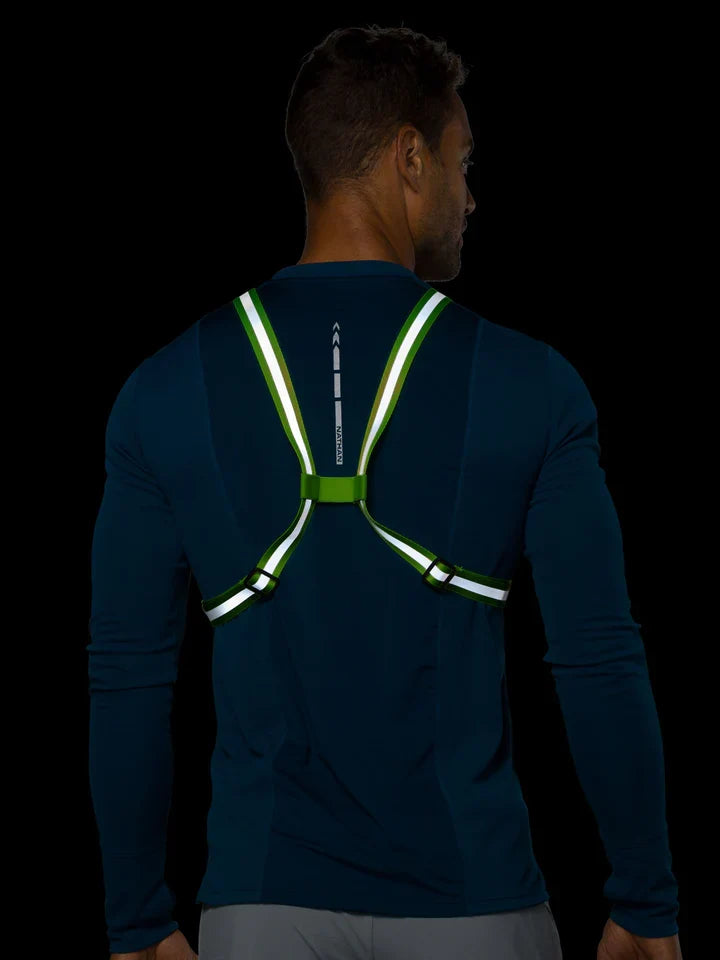
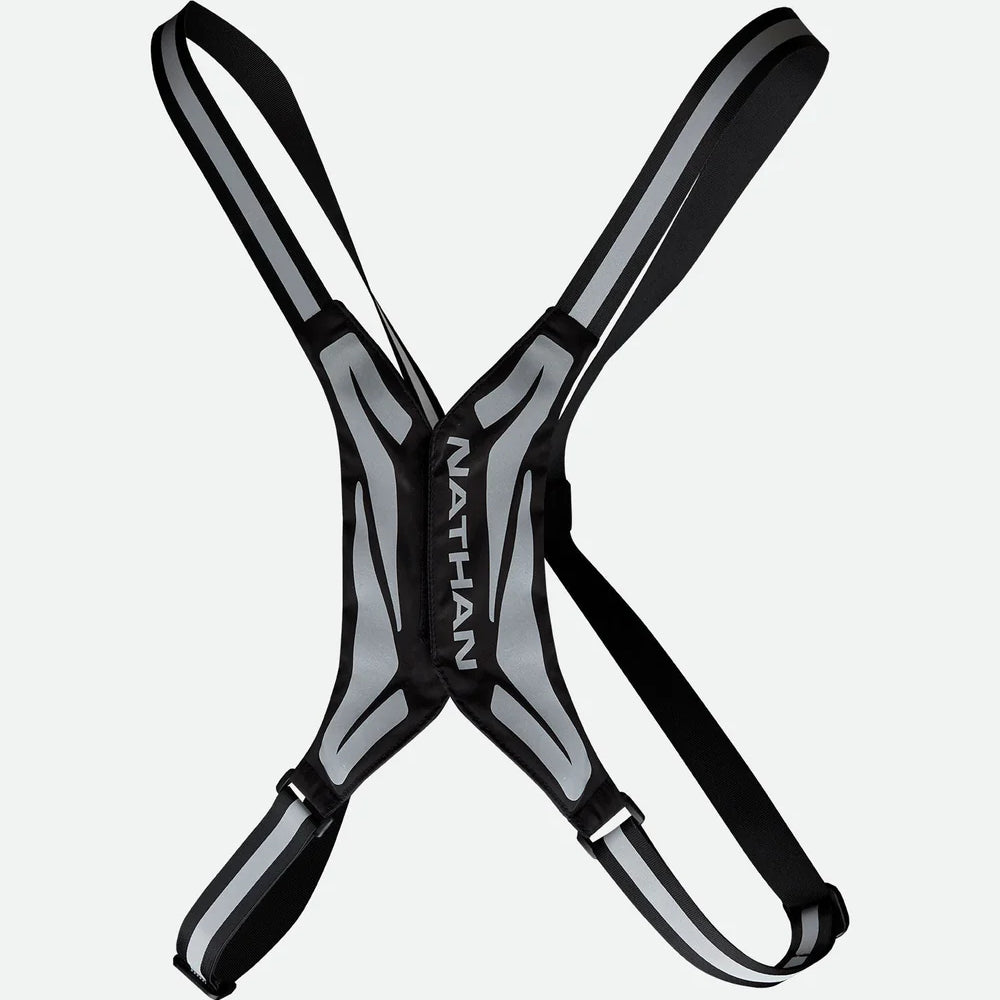
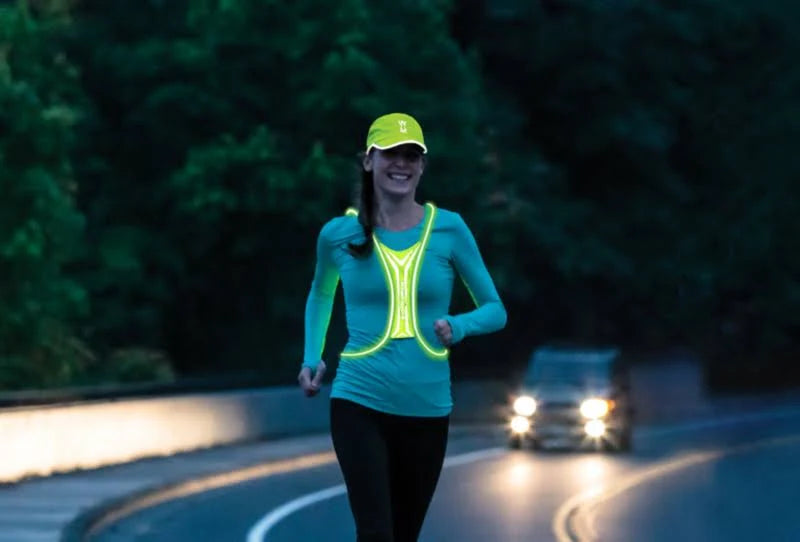
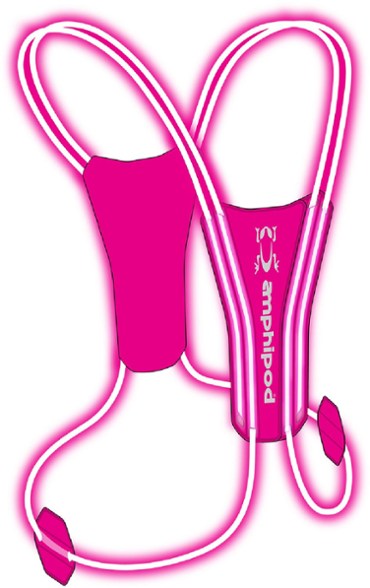
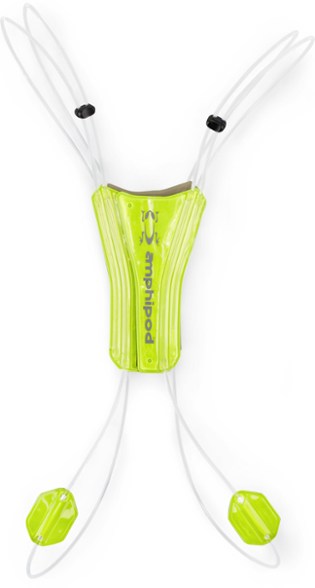
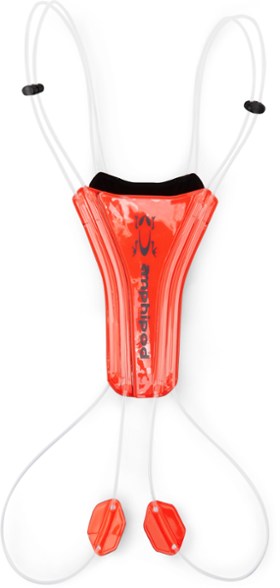
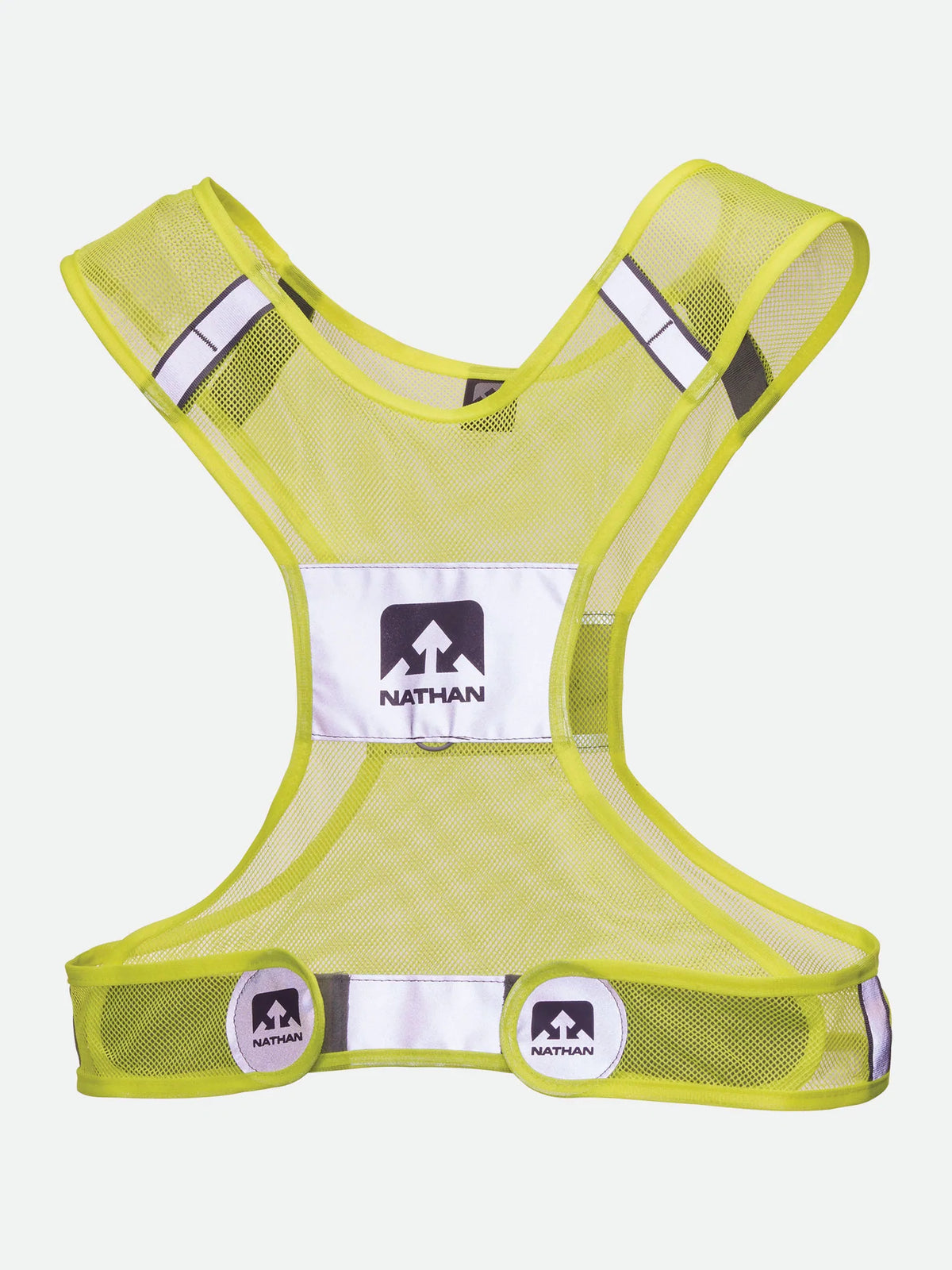
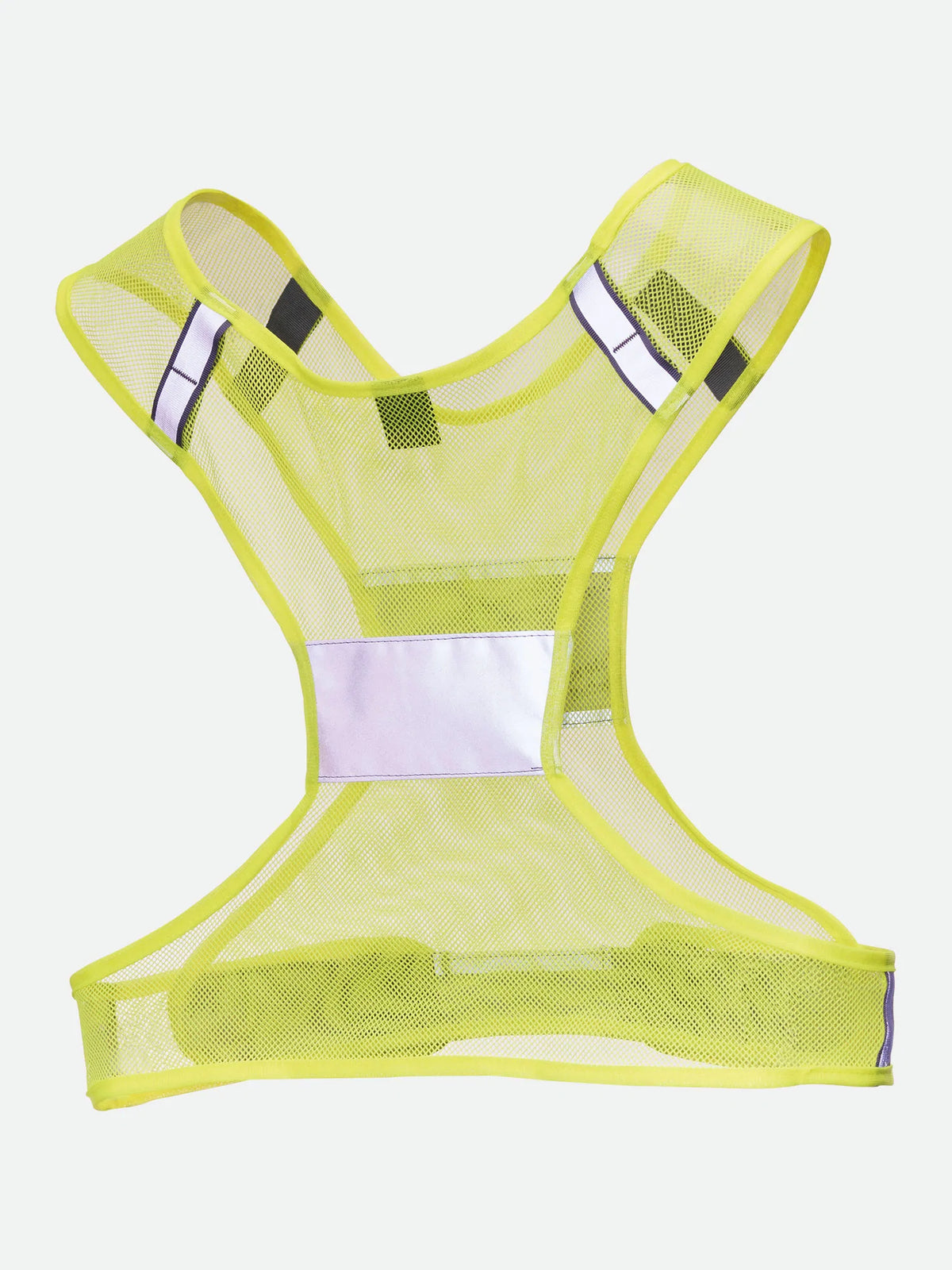
A reflective vest or harness and a light visible from behind create a useful starting combination. Add a front light for darker patches.
Look for: easy-adjust straps, visibility from several angles, secure clips.
Prioritize a stable headlamp with enough beam and battery life for your outing. On roads, combine it with reflective gear and a rear-facing light.
Look for: secure fit, usable beam pattern, runtime at your selected brightness.
Start your lights before it gets dark. Visibility drops at intersections and in poor weather, so slow down and never assume a driver has seen you.
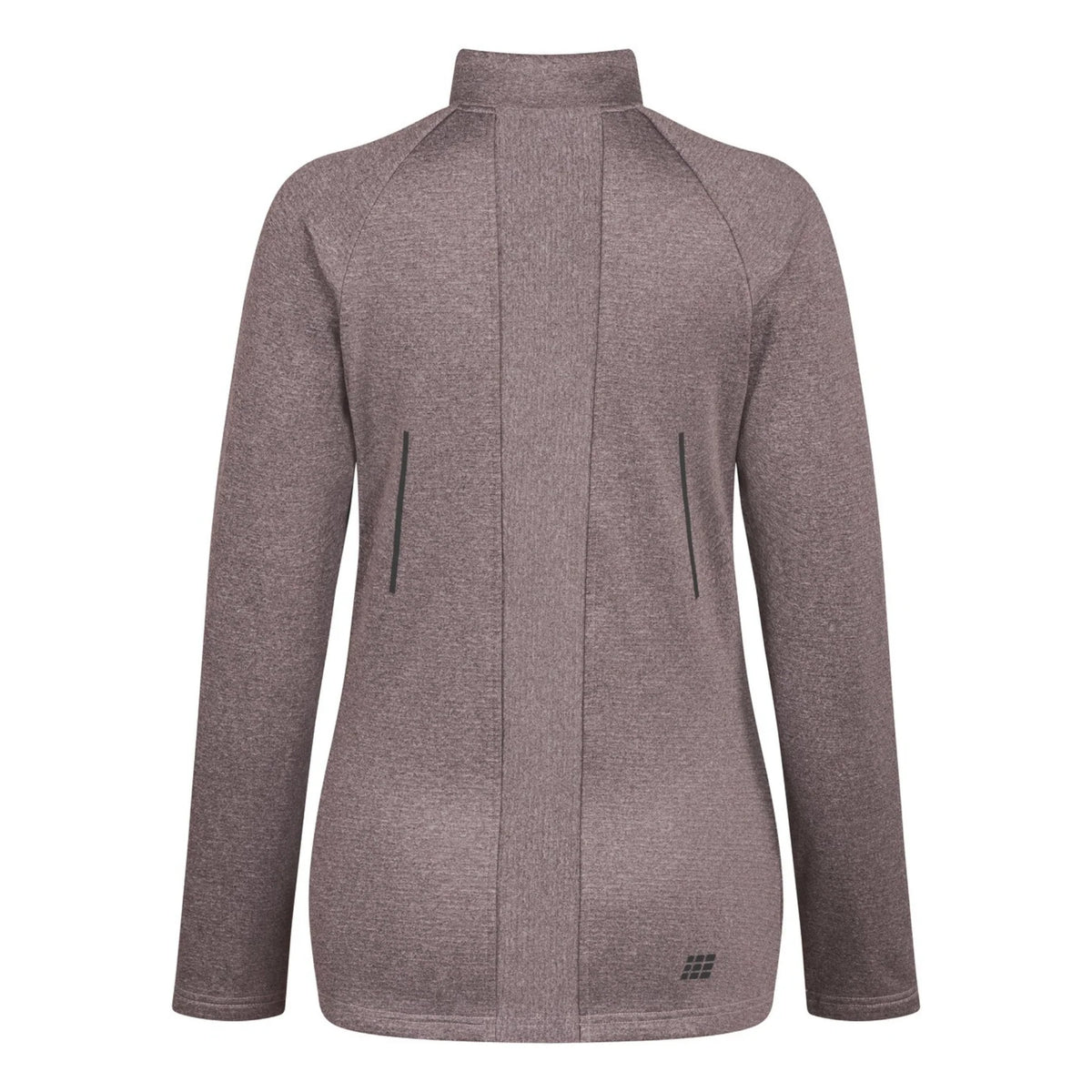
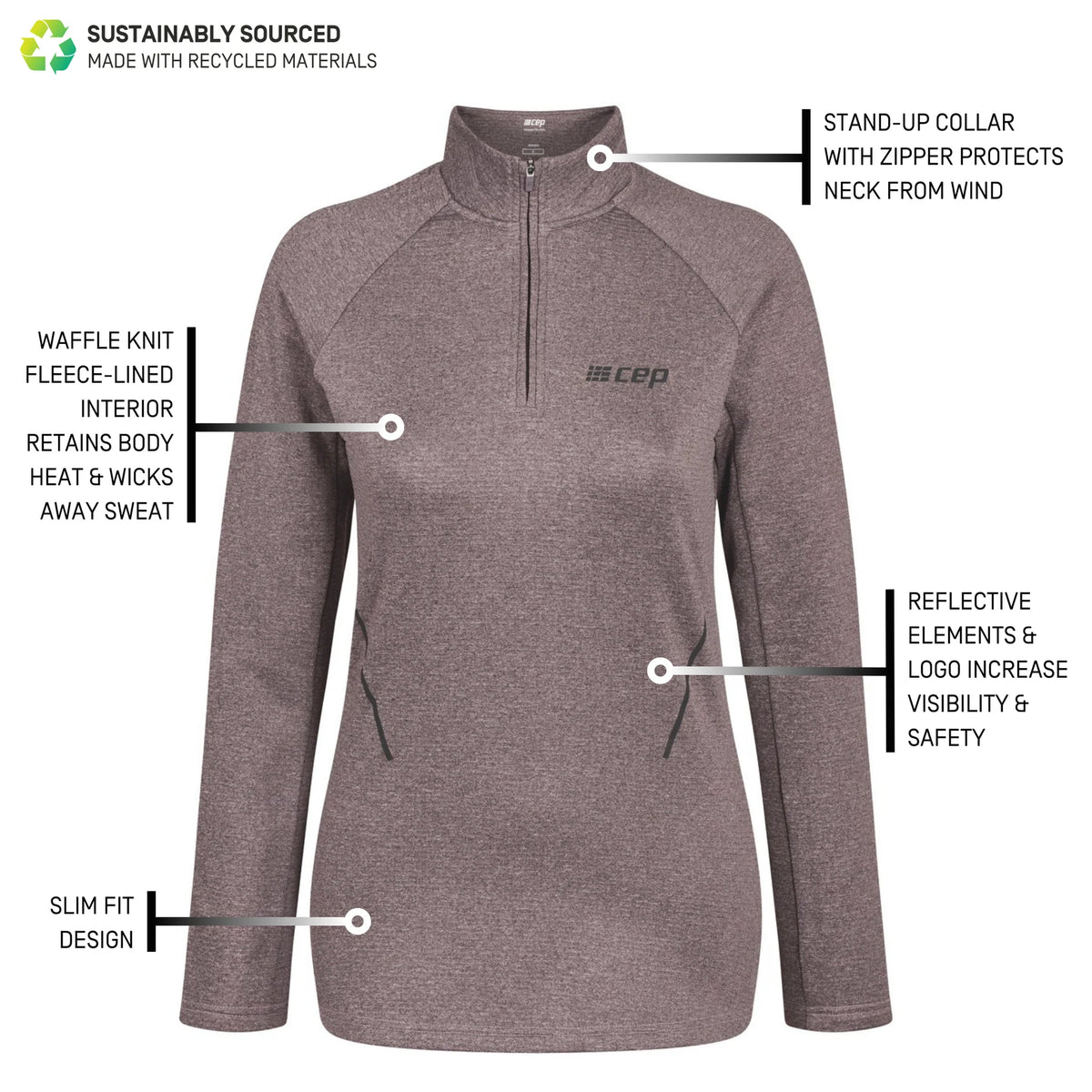
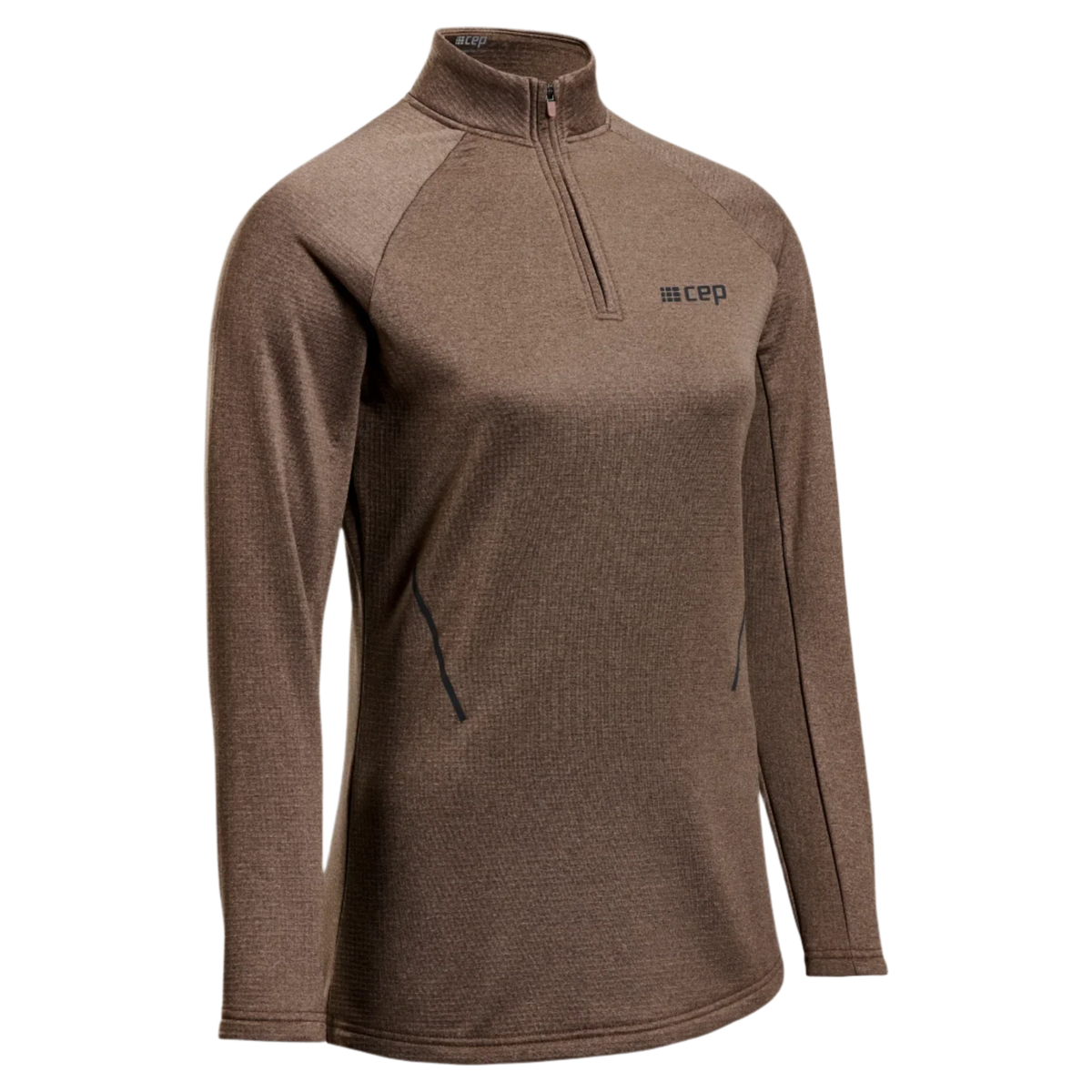
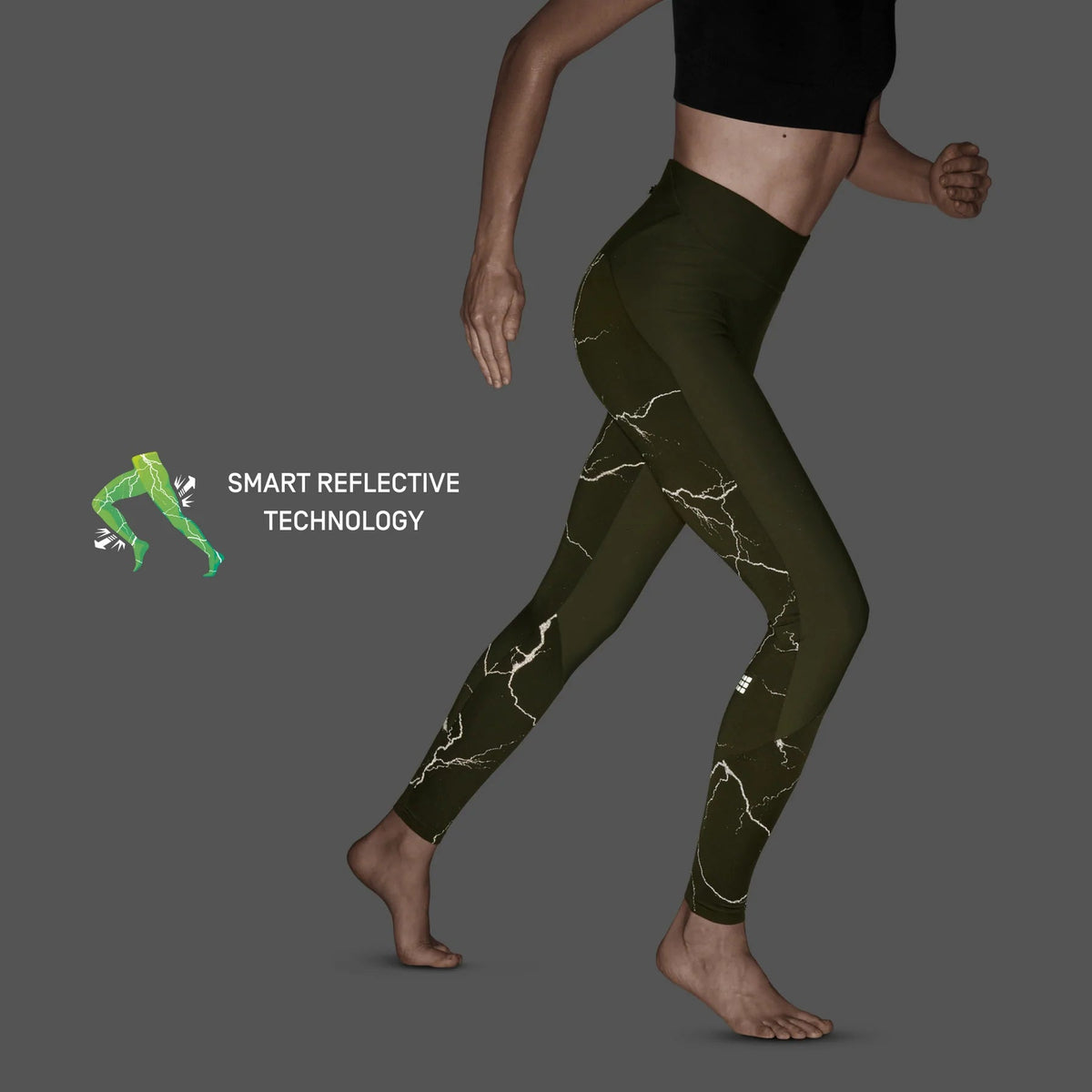
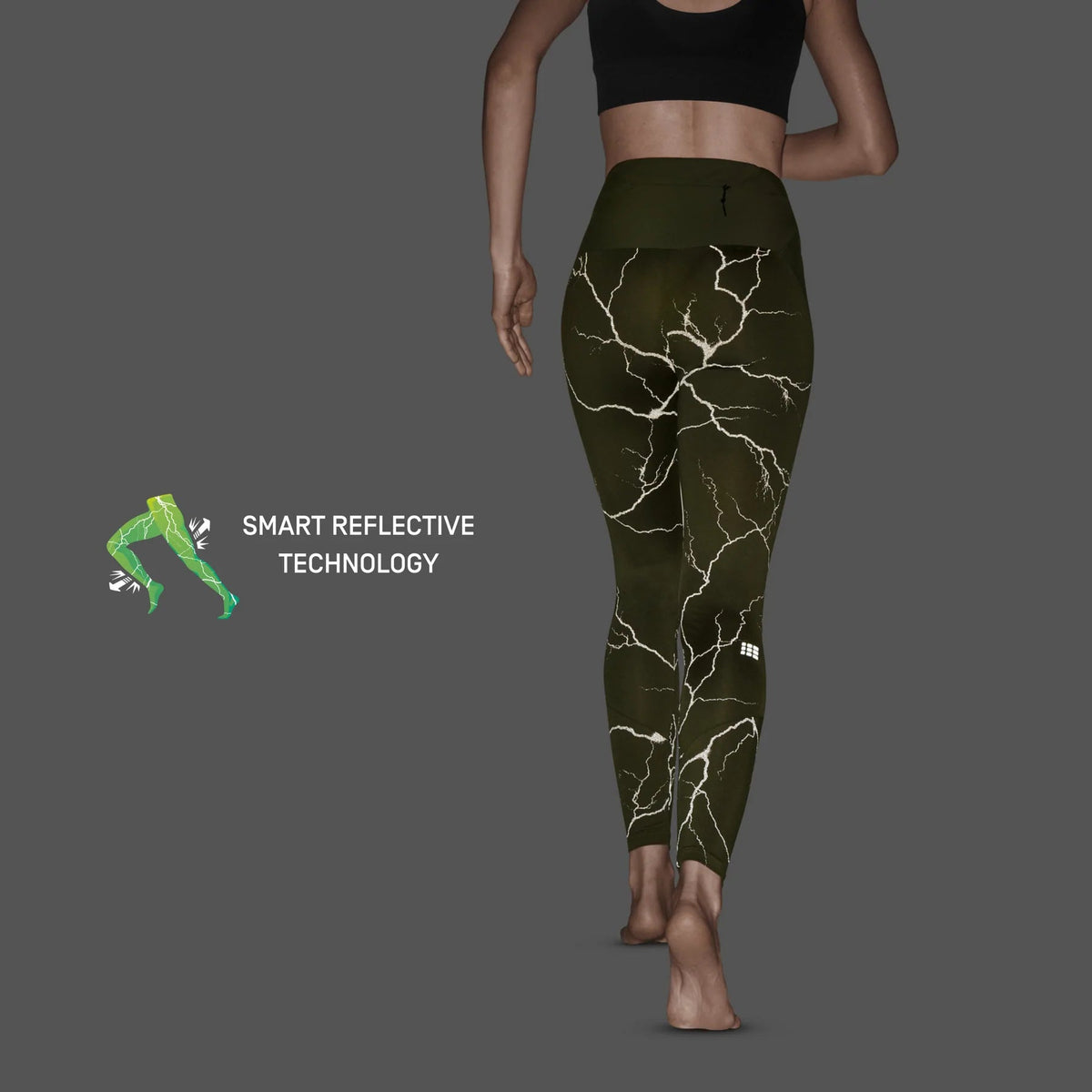
Look for: reflective details on moving limbs, dependable active lighting.
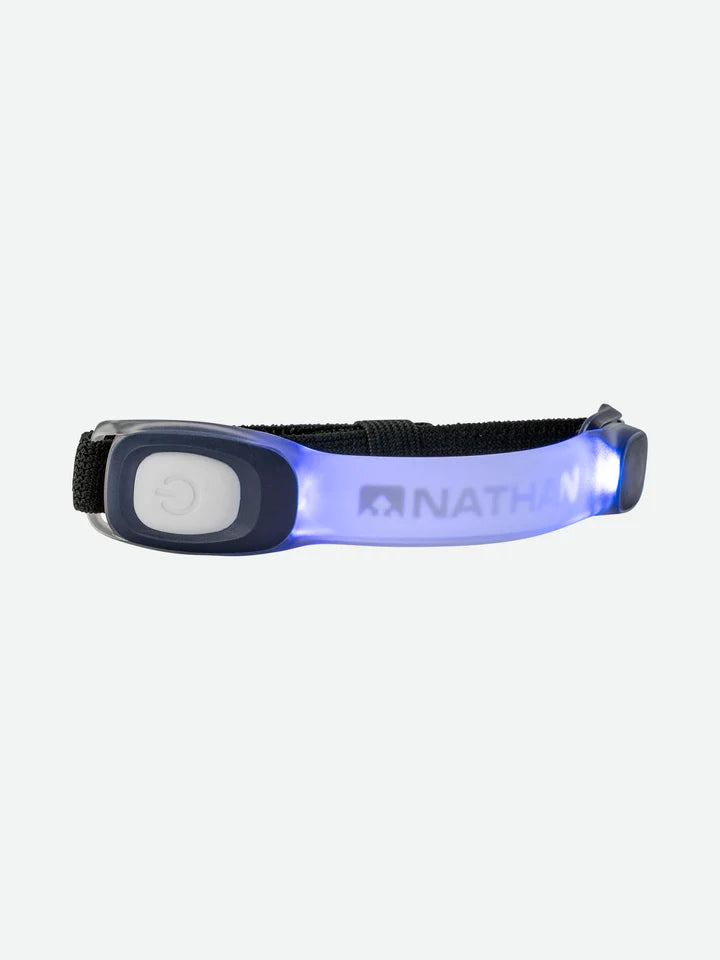
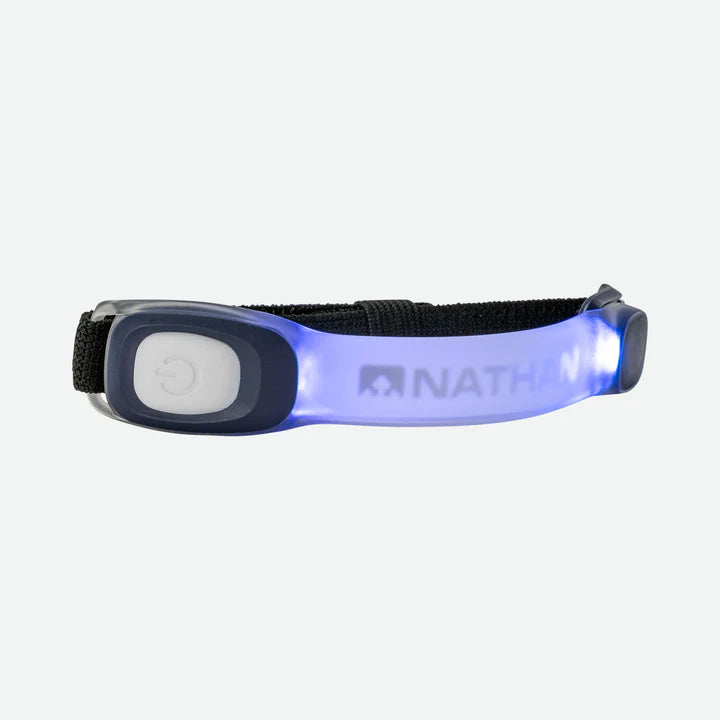
Produces its own light. Use a forward-facing beam to help see the ground, and consider another light visible from behind.
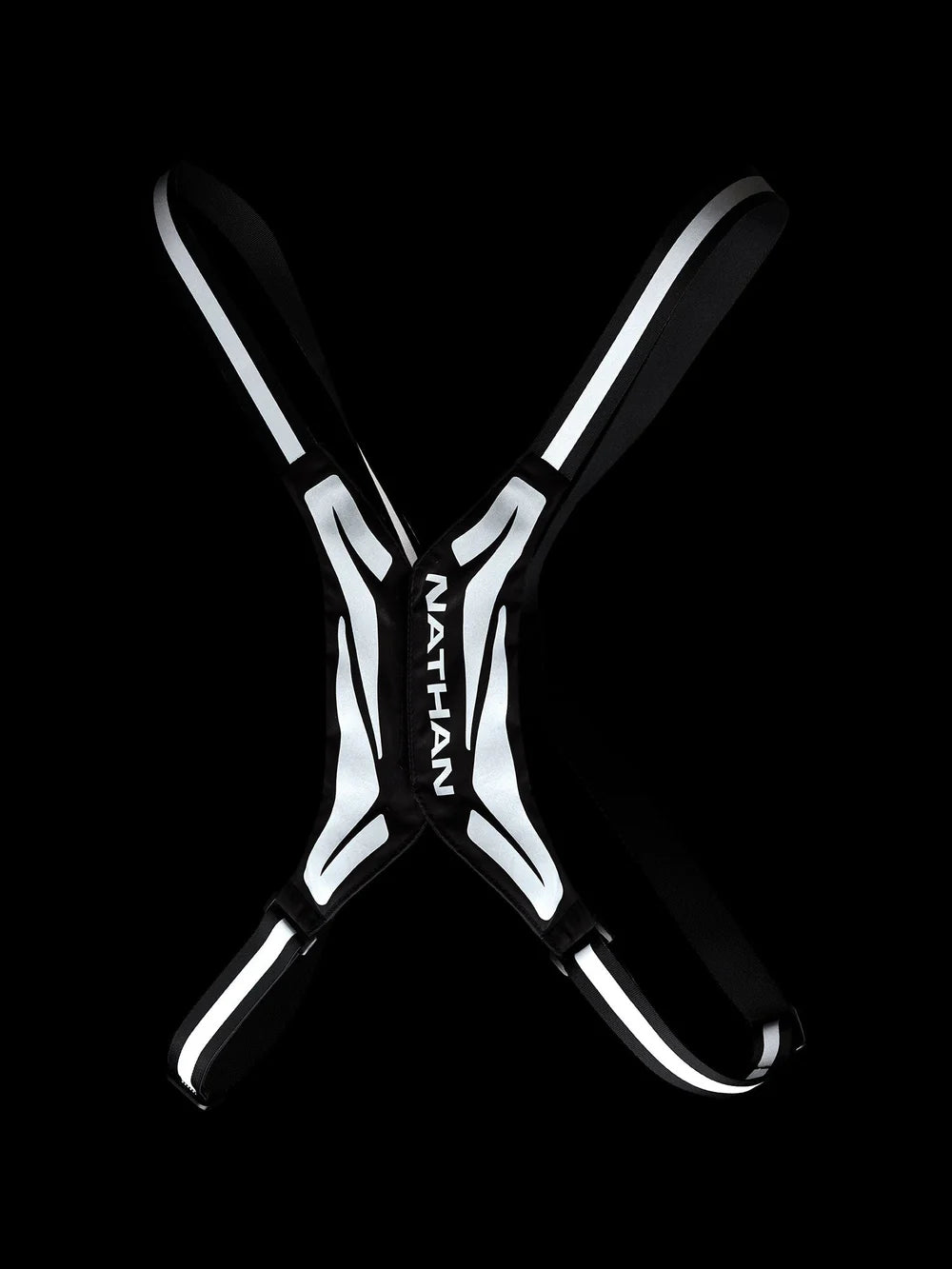
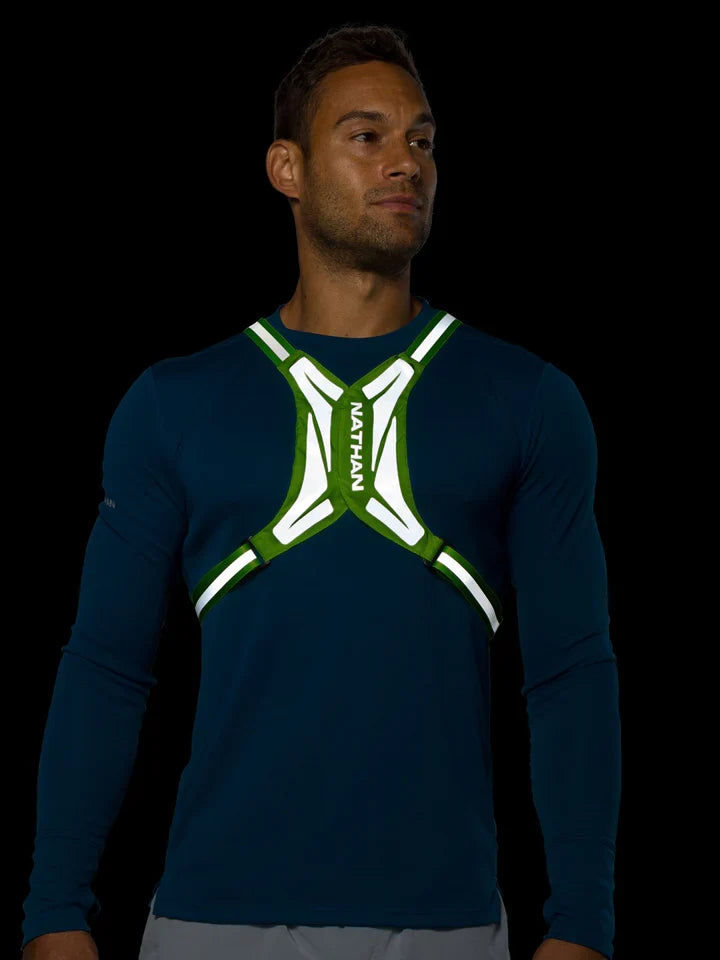
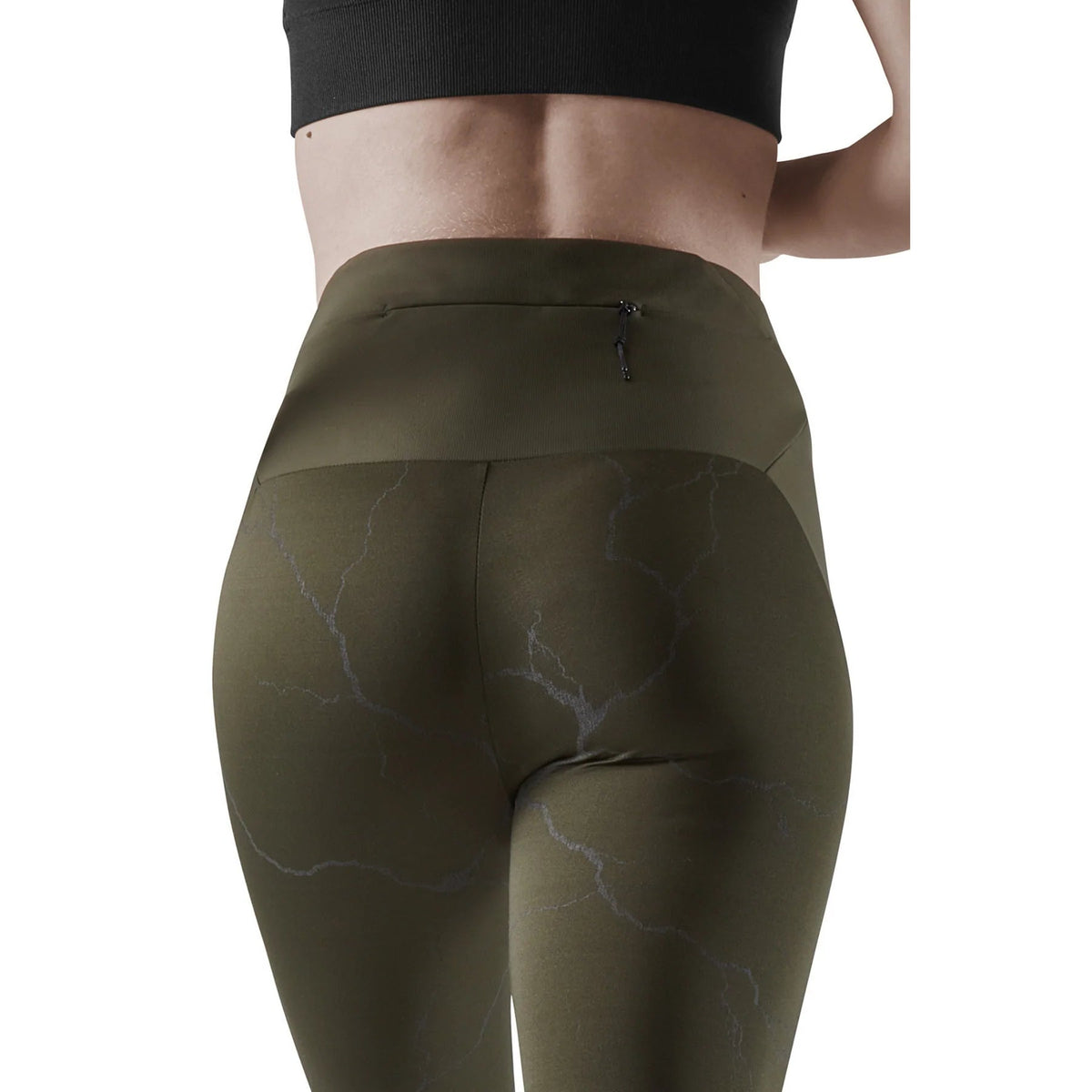
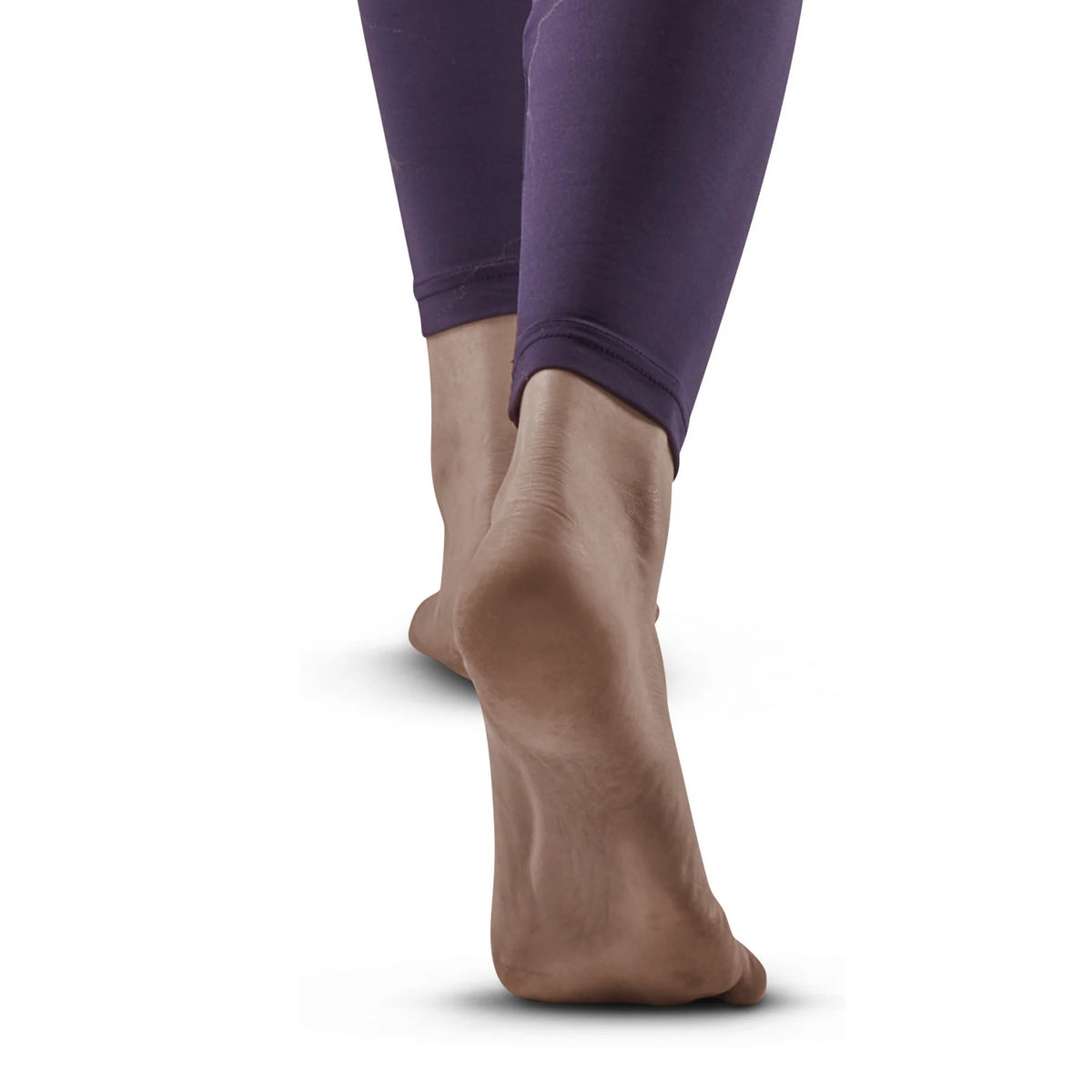
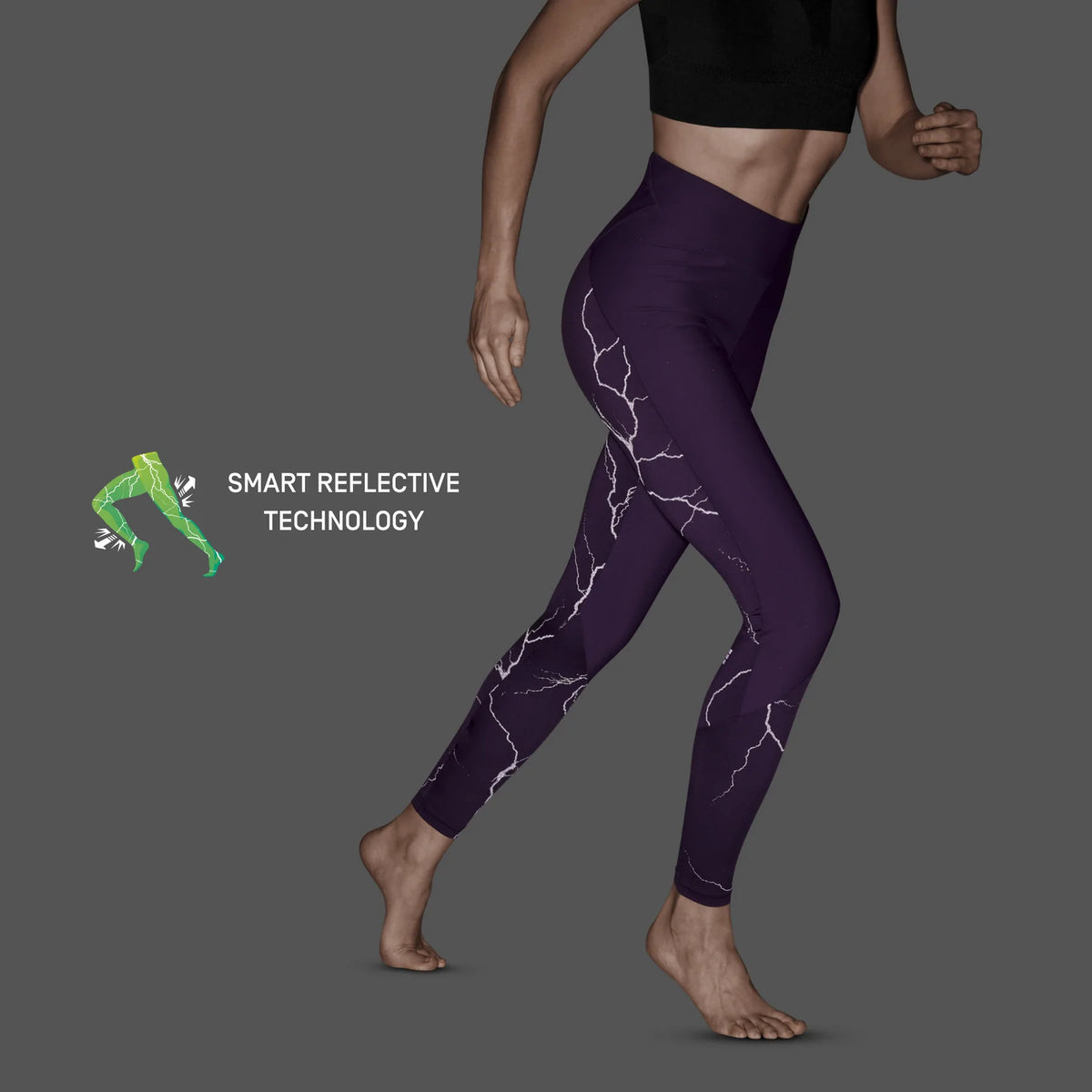
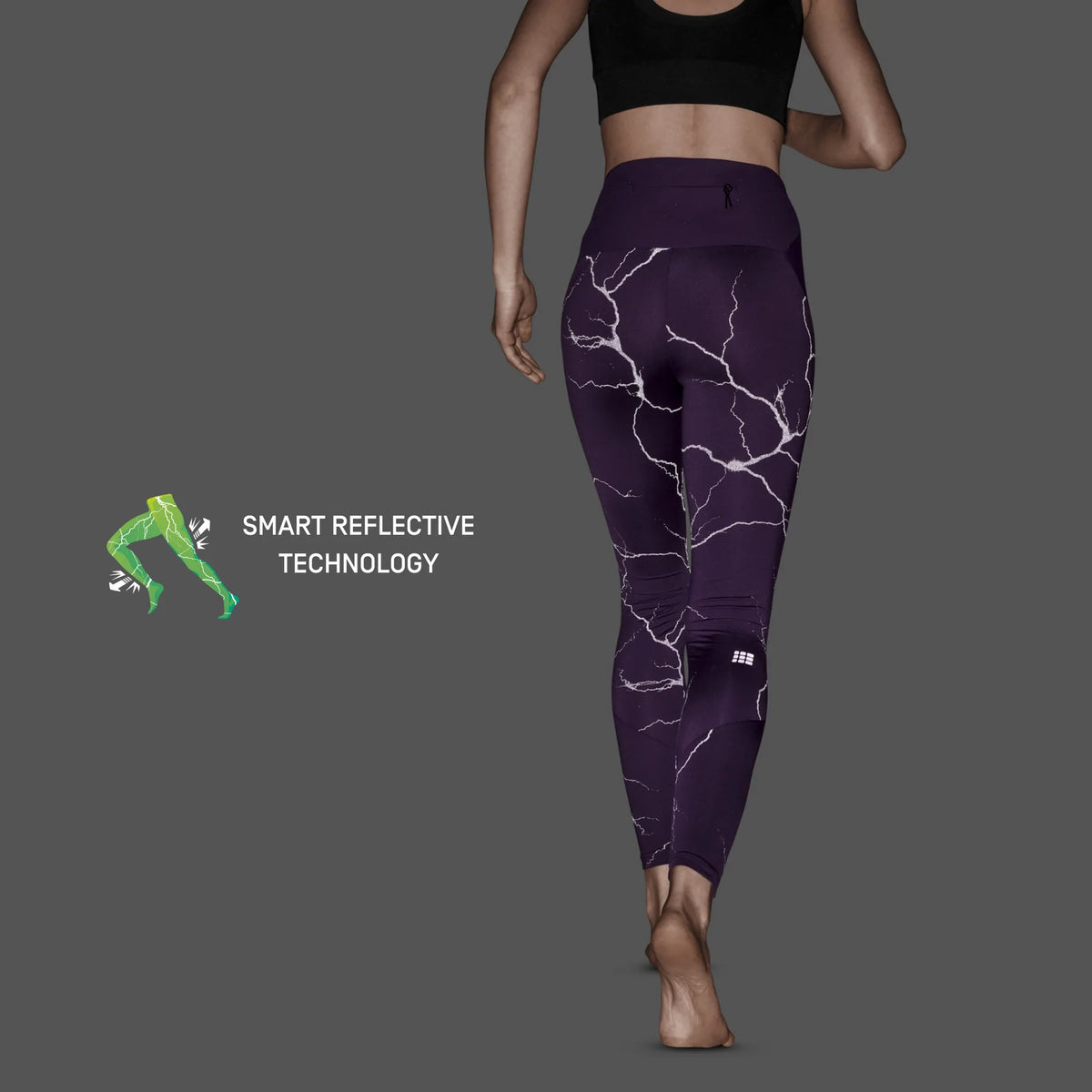
Reflects incoming light, including vehicle headlights. Its effectiveness depends on illumination and viewing angle. It does not replace a headlamp.
BEFORE YOU HEAD OUT
Five habits to use before every dark run.
COMMON QUESTIONS
Short explanations from a runner-first point of view.
Reflective fabric works best when an outside light shines toward it. In unlit conditions, add a light to help you see the path. Active front and rear lights also make you easier to notice before headlights reach you.
It depends on the route. If sidewalks and crossings are consistently illuminated, a headlamp is less critical for seeing the ground. It remains useful for dim stretches, potholes, and changing conditions. Reflective gear still serves a different purpose.
Look at the actual beam pattern, comfort, secure fit, and battery runtime at the brightness you plan to use. Maximum output by itself does not tell you how a light performs through your entire run.
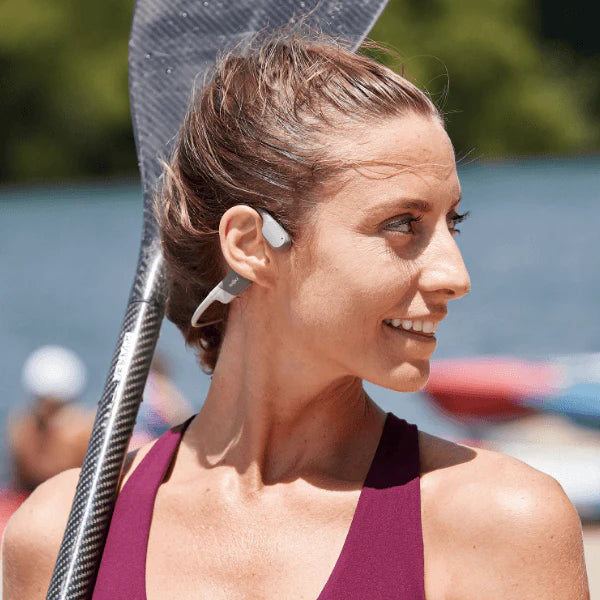
No. Open-ear designs leave your ears less obstructed, but loud audio and distractions still reduce awareness. Lower the volume and pay full attention near vehicles and intersections.
NEED HELP PICKING THE RIGHT SETUP?
Our team will help you compare headlamps, reflective harnesses, clip-on lights, and running apparel.
SEE & BE SEEN
Choose a forward light for the surface, then reflective or illuminated coverage around your body. Start with where and when you run or walk.


Try the light while moving in your usual layers. Check the front, back and sides with your pack on. Read battery life at the setting you plan to use, then leave a reserve.
For sidewalks, rural roads, trails or winter outings, choose the route first. Use our guides for practical setup ideas and everyday equipment questions.